

T: +86-20-86973099
E: sales@xqglasses.com
E: sales@xqglasses.com
NO.3, Yongfu Road, Sandong Avenue West, Huadu District, Guangzhou City, Guangdong Province, China
Views: 0 Author: Site Editor Publish Time: 2026-06-15 Origin: Site


Do you struggle with glare and eye strain while cycling? Proper cycling sunglasses can make a big difference. Without them, bright sunlight and reflections cause discomfort and reduce visibility.
Cycling sunglasses protect your eyes and improve vision on the road. Polarized lenses specifically reduce glare from reflective surfaces.
In this post, you’ll learn why polarized sunglasses matter for cycling, their benefits, drawbacks, and how to choose the right pair for your rides.
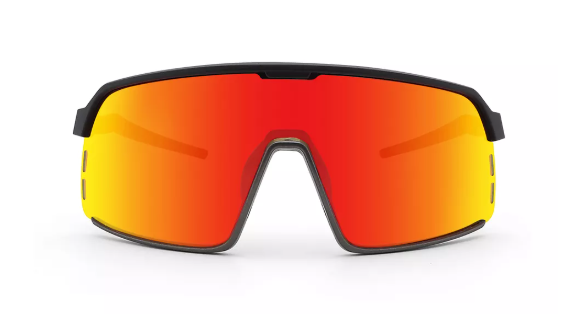
Polarized cycling sunglasses are designed to reduce glare by filtering out reflected light from surfaces like roads and water. This is achieved through a special polarizing filter embedded in the lenses, which blocks horizontal light waves responsible for glare. When you're cycling, especially on sunny days, this can significantly improve visual comfort and reduce eye strain.
Polarized bike sunglasses enhance contrast and clarity, making it easier to see road textures and obstacles. They are particularly effective at cutting down glare from wet roads or shiny surfaces, which helps maintain sharp vision during bright conditions. Cyclists often report less eye fatigue when wearing polarized cycling glasses, especially on long rides.
Despite their advantages, polarized lenses have some limitations for cycling. One key concern is that they can make it harder to spot certain hazards, like puddles or wet patches, because the glare that reveals these dangers is reduced. This might increase the risk of slipping or accidents on wet surfaces. Additionally, polarized sunglasses can sometimes interfere with the visibility of digital displays on cycling computers or GPS devices.
Non-polarized cycling sunglasses usually offer consistent vision without altering the perception of surface reflections. While they don't reduce glare as effectively, they may provide a more natural view of the road, which some cyclists prefer for hazard detection. Polarized bike glasses excel in bright, sunny environments but might not be the best choice in low-light or rapidly changing conditions.
Polarized cycling sunglasses mens and womens models are ideal for road cycling in bright, sunny weather or when riding near water bodies where glare is intense. However, for mountain biking or trail riding where spotting subtle surface changes is critical, non-polarized or photochromic lenses might be more suitable. Polarized bike glasses mens and womens versions can be a valuable addition to your gear, but consider your typical riding conditions before choosing.
Experts and experienced cyclists often recommend polarized sunglasses for their glare reduction and comfort benefits. However, many also caution about their limitations in detecting certain road hazards. Real-world tests suggest that combining polarized lenses with high-quality contrast-enhancing tints can offer a balanced solution. For those seeking the best polarized cycling sunglasses, it’s important to try different models to find the right fit and lens technology that matches your riding style.
When choosing cycling sunglasses, several key features determine how well they perform and how comfortable they feel during rides. Whether you’re searching for polarized cycling sunglasses mens or polarized cycling sunglasses womens, understanding these features will help you pick the best pair for your cycling needs.
Lens Type | Advantages | Disadvantages | Best Use Case |
|---|---|---|---|
Polarized lenses | Reduce glare effectively; improve visual clarity in bright conditions; reduce eye strain | Can reduce visibility of wet patches or subtle surface reflections | Sunny conditions, roads with strong reflections, riding near water |
Photochromic lenses | Automatically adjust tint based on light; suitable for changing conditions; convenient for all-day rides | Slower transition in rapidly changing light; less effective at glare reduction compared to polarized lenses | Mixed lighting conditions such as urban rides, forests, tunnels |
Tinted lenses | Enhance contrast and brightness control for specific conditions (e.g., grey for bright sun, amber/yellow for low light) | Fixed tint requires switching lenses for different lighting; less adaptive | Stable lighting conditions like consistently sunny or overcast rides |
Polarized lenses reduce glare by filtering horizontal light waves. They enhance clarity on bright days, especially near reflective surfaces like wet roads or water. Polarized cycling glasses offer excellent visual comfort but may reduce the visibility of puddles or wet patches, which are critical hazards.
Photochromic lenses adjust tint based on light conditions. They lighten in low light and darken in bright sun, providing versatility for rides with changing weather. Many cyclists prefer photochromic lenses for all-day use.
Tinted lenses come in fixed shades designed for specific light conditions. For example, grey tints work well on bright sunny days, while amber or yellow tints improve contrast in overcast or low-light conditions.
Choosing between these depends on your typical riding environment and preferences. Some cyclists opt for interchangeable lenses to cover all scenarios.
Full frame glasses provide sturdy protection and often allow for interchangeable lenses. They can be heavier and sometimes restrict peripheral vision.
Half frame designs balance coverage and weight, offering rigidity on the upper lens portion while reducing frame bulk.
Frameless glasses maximize field of vision and reduce weight. However, they might offer less protection in crashes and can be less secure on smaller heads.
Your choice should consider both style and functional needs, including helmet compatibility.
A secure, comfortable fit is essential to prevent slipping and discomfort on long rides. Look for:
Adjustable nose pads to customize the fit and prevent glasses from sliding down.
Flexible or bendable temple arms that contour to your head shape.
Rubberized or grippy temple tips and nose pads to maintain position even when sweating.
Comfort impacts not just your ride enjoyment but also safety by ensuring consistent visual clarity.
Fogging can impair vision during intense efforts or in humid conditions. Effective cycling sunglasses include:
Vents on the frame or lens to promote airflow.
Anti-fog coatings on lenses to reduce condensation.
Designs that position lenses slightly away from the face to aid ventilation.
For example, the KOO Hype sunglasses feature a Maximum Ventilation System that helps keep lenses clear during climbs.
Protecting your eyes from UV radiation is a primary function of cycling sunglasses. Look for glasses that offer:
100% UVA and UVB protection, meeting or exceeding ISO standards.
Lenses that block harmful rays regardless of tint darkness.
UV protection prevents long-term eye damage and reduces glare-related eye strain.
Choosing the right lenses for your cycling sunglasses is crucial for enhancing your ride experience. Whether you prefer polarized cycling sunglasses, photochromic lenses, or interchangeable options, understanding how each lens type affects your vision and comfort will help you perform at your best.
Interchangeable lenses offer great flexibility, allowing you to swap lenses based on weather and lighting. For instance, you might use darker polarized bike sunglasses on bright, sunny days to reduce glare and eye strain. On overcast days, a lighter tinted lens or contrast-enhancing lens can improve terrain visibility. Having a set of the best polarized cycling sunglasses with interchangeable lenses means you’re prepared for any condition without needing multiple pairs.
Photochromic lenses adjust their tint automatically, darkening in bright sunlight and lightening in shade or low light. This technology suits cyclists who ride through varying light conditions, such as forested trails or urban streets with tunnels. Polarized cycling sunglasses mens and womens models with photochromic lenses combine the benefits of glare reduction and adaptability, making them ideal for long rides with unpredictable weather.
Lenses with contrast-enhancing tints, such as amber or rose hues, boost visibility by amplifying colors and shadows. This makes it easier to spot obstacles like potholes or gravel patches. While polarized sunglasses for biking reduce glare, pairing them with contrast-enhancing lenses can provide sharper vision, especially on trails or uneven roads.
High-quality cycling sunglasses often feature hydrophobic coatings that repel water, keeping lenses clear in rain or sweat. Anti-scratch coatings maintain lens clarity over time, protecting your investment. The best polarized bike sunglasses frequently include these features, ensuring durability and consistent performance.
Lens tint influences how much light reaches your eyes. Dark tints reduce brightness but may hinder visibility in low light. Light tints improve brightness but offer less glare protection. Polarized cycling glasses balance these effects by filtering reflective glare without overly darkening the view. Choosing the right tint helps minimize eye fatigue and maintain clear vision throughout your ride.
Selecting the perfect pair of cycling sunglasses involves more than just picking a stylish frame. To get the most out of your polarized cycling sunglasses or any other type, consider how they fit your riding environment, helmet, budget, and personal comfort needs.
Think about where and when you ride most often. If you cycle in bright, sunny conditions or near water, polarized bike sunglasses are excellent for cutting glare and enhancing clarity. However, if you often ride on trails or in mixed light, you might want sunglasses with photochromic lenses or interchangeable options to adapt quickly. Polarized cycling glasses mens and womens styles can vary, so ensure the lens tint and polarization suit your usual light conditions.
Your sunglasses should fit comfortably with your helmet. Look for frames that don't interfere with helmet straps or vents. Many brands design their polarized bike glasses mens and womens models to work seamlessly with popular helmets. Adjustable temple arms help customize the fit, preventing the glasses from slipping or causing discomfort under the helmet.
Cycling sunglasses range from affordable to premium. The best polarized cycling glasses often come with advanced lens technology and durable frames, but you can find budget-friendly polarized bike sunglasses that still offer good UV protection and comfort. Decide which features are must-haves—like interchangeable lenses or adjustable nose pads—and find a pair that fits your budget without compromising essential performance.
Adjustable nose pads and temple arms are crucial for a secure, comfortable fit. They help prevent your sunglasses from sliding down during intense rides or sweating. Many of the best cycling sunglasses polarized options include these features to accommodate different face shapes and sizes, including polarized cycling sunglasses mens and polarized cycling sunglasses womens models.
If you wear prescription glasses, consider cycling sunglasses that offer prescription lenses or compatible clip-in inserts. Some brands provide polarized sunglasses for bike riding with prescription options, ensuring clear vision without sacrificing protection or style. This is especially important for riders needing both vision correction and glare reduction.
When it comes to choosing the best polarized cycling sunglasses, there are several standout models that combine style, performance, and durability. Whether you’re looking for polarized cycling sunglasses mens or polarized cycling sunglasses womens, these top picks offer excellent options tailored to different needs and budgets.
Oakley EncoderKnown for exceptional lens clarity and secure fit, the Oakley Encoder features Prizm Road lenses that enhance contrast and reduce glare. Its frameless design offers a wide field of vision, while adjustable nose pads and grippy temple tips ensure comfort over long rides. Although lenses are not interchangeable, the polarized versions excel in bright conditions.
Rudy Project KelionWith a lightweight, sustainable Rilsan frame and excellent lens quality, the Kelion offers polarized lens options that deliver sharp visuals and good glare control. The adjustable nosepiece and temple arms provide a customizable fit, making it a favorite among serious cyclists.
KOO SpectroThese polarized bike sunglasses mens and womens models feature Zeiss polycarbonate lenses known for clarity and durability. The full frame offers great ventilation, reducing fogging during intense rides. The sleek design and secure fit make them a solid choice for road cyclists.
100% S3Offering a wide lens for maximum coverage, the 100% S3 sunglasses come with polarized HiPER lenses that enhance contrast and reduce glare. They include replaceable nose pads and grippy temple tips for a secure fit. Their stylish design and affordability make them popular among riders.
Madison Crypto 3-PackA budget-friendly option, this pack includes polarized lenses along with other tints for varying light conditions. The secure fit and good optical clarity make them a versatile choice for cyclists looking for value.
Polarized lenses excel at cutting glare from reflective surfaces like wet roads, improving visual comfort and reducing eye strain. However, they may reduce the visibility of certain hazards such as puddles. Photochromic lenses adjust tint based on light conditions, offering versatility for rides with changing weather but may not reduce glare as effectively as polarized lenses. Some cyclists prefer having both options or sunglasses with interchangeable lenses to adapt to different environments.
Top polarized cycling glasses often feature:
Adjustable nose pads and temple arms for a personalized, secure fit.
Hydrophobic and anti-scratch lens coatings to maintain clarity and resist damage.
Ventilation systems to reduce fogging during intense efforts.
Lightweight, flexible frames that conform to head shape without pressure points.
These features ensure comfort during long rides and durability against impacts and environmental factors.
Cyclists appreciate polarized bike glasses for their glare reduction and enhanced contrast on sunny days. Users report less eye fatigue and improved road visibility. However, some note that polarized lenses can make spotting wet patches more challenging. Many recommend trying polarized sunglasses in your typical riding conditions before committing.
Polarized cycling sunglasses range from budget-friendly models around $50 to premium options exceeding $250. Higher-end sunglasses typically offer superior lens technology, better fit adjustability, and enhanced durability. Budget models provide good UV protection and polarization but may lack advanced features. Consider your riding style and frequency to balance cost and performance.
Proper maintenance of your cycling sunglasses, especially polarized cycling sunglasses, ensures they perform well and last longer. Whether you own polarized cycling glasses mens or polarized cycling sunglasses womens models, following the right care routine preserves lens clarity and frame integrity.
Use a microfiber cloth: Always clean your polarized bike sunglasses lenses with a soft microfiber cloth to avoid scratches.
Avoid harsh chemicals: Never use household cleaners or paper towels; instead, use lens-specific sprays or mild soap with water.
Rinse before wiping: If your lenses have dirt or grit, rinse them gently under lukewarm water to prevent scratching.
Dry naturally: Let your sunglasses air dry or gently pat with a microfiber cloth.
Use a hard case: Store your best polarized cycling sunglasses in a sturdy case when not in use to protect from impacts and dust.
Keep away from heat: Avoid leaving sunglasses in hot places like car dashboards, as heat can warp frames and damage coatings.
Separate from other items: Don’t toss your sunglasses in bags or pockets with keys or tools to prevent lens scratches.
Scratches impair vision: Replace lenses if scratches reduce clarity or cause distracting glare.
Frame integrity: Swap frames if they become loose, cracked, or uncomfortable, as a secure fit is crucial during rides.
Lens technology updates: Consider upgrading if newer polarized bike glasses offer better glare reduction or UV protection.
Ventilation: Choose cycling sunglasses with vents or anti-fog coatings to minimize condensation.
Use anti-fog sprays: Apply sprays designed for sports eyewear to keep lenses clear.
Avoid wiping fog with hands: This can smear and worsen visibility; instead, let the fog dissipate or use a clean cloth.
By caring for your polarized sunglasses for biking properly, you maintain optimal vision and comfort on every ride.
Polarized sunglasses reduce glare and improve comfort but may hide wet hazards. Choose based on your cycling style and conditions. Testing different models ensures the best fit and performance. Remember, protecting your eyes is as important as style. Bang long offers quality polarized cycling sunglasses designed to enhance vision and comfort, making your rides safer and more enjoyable. Their products combine advanced lens technology with a comfortable fit for all cyclists.
A: Yes, polarized cycling sunglasses effectively reduce glare from reflective surfaces like wet roads and water, enhancing visual comfort and reducing eye strain during rides.
A: They improve contrast and clarity, reduce eye fatigue, and protect against UV rays, making them ideal for bright, sunny cycling conditions.
A: Sometimes, yes. Polarized sunglasses for bike riding may reduce visibility of puddles or wet patches, so caution is needed in such conditions.
A: Polarized lenses cut glare better and improve comfort in bright light, while non-polarized glasses may offer more natural hazard visibility in varied lighting.
A: Look for adjustable nose pads, good ventilation, UV protection, hydrophobic coatings, and a comfortable fit compatible with your helmet.
A: Prices vary widely, from budget-friendly options around $50 to premium models over $250, with advanced lens tech and durability increasing cost.
A: Clean lenses with a microfiber cloth and mild soap, store in a hard case, avoid heat, and replace lenses or frames if scratched or damaged.


