

T: +86-20-86973099
E: sales@xqglasses.com
E: sales@xqglasses.com
NO.3, Yongfu Road, Sandong Avenue West, Huadu District, Guangzhou City, Guangdong Province, China
Views: 0 Author: Site Editor Publish Time: 2026-07-27 Origin: Site


Standard sunglasses merely dim incoming sunlight. They leave blinding surface glare fully intact. For passionate anglers, this creates a major visual handicap. It leads directly to missed strikes, invisible underwater drop-offs, and severe eye fatigue. You need more than just dark tinted lenses to spot fish effectively. Purpose-built Fishing Sunglasses rely on specific optical physics. They selectively block the harsh light frequencies bouncing off the water's surface. This transition from basic shading to advanced filtration changes how you experience the water entirely. This article moves beyond simple optical mechanics. We provide a comprehensive, decision-stage evaluation framework. You will learn how to precisely match lens technology, frame architecture, and color profiles to your unique fishing environments. Understanding these critical components ensures you make an informed investment. You will ultimately maximize your success on the water and protect your long-term vision.
Polarization acts as a microscopic chemical blind, blocking horizontal light waves (glare) while allowing vertical light (vision) to pass.
Lens color is not aesthetic; it is an environmental filter (e.g., copper for inshore contrast, gray for offshore brightness).
Optical material dictates performance lifespan: TAC lens sunglasses offer lightweight affordability, while glass provides superior scratch resistance.
True eye protection requires combining polarization with 100% UV protection (UV400) and specific frame designs to prevent light leakage.
Understanding glare requires looking at how light travels. Sunlight naturally scatters in all directions as it moves through the atmosphere. When sunlight hits a flat, reflective surface like a lake or ocean, its behavior changes dramatically. The light waves align horizontally. This concentrated horizontal light creates intense surface glare. It acts like a blinding mirror reflecting the sky. This mirror effect completely obscures anything happening below the water line.
Polarized lenses solve this problem through a fascinating physical process. The chemical film applied to these lenses functions exactly like a microscopic Venetian blind. The molecules in the polarization filter align vertically. They physically block the intense horizontal light waves. Vertical light waves still pass through the filter easily. This process transmits useful visual information to your eye while stripping away the blinding reflection.
The visual outcome transforms your fishing experience immediately. Surface reflections vanish completely. You gain clear, unobstructed sub-surface visibility. This clarity proves absolutely crucial for sight fishing. You can suddenly spot submerged logs, hidden weed beds, and cruising game fish. You gain a massive tactical advantage over anglers wearing standard tinted lenses.
However, we must address a common misconception. Polarization does not magically improve actual water clarity. Turbid, muddy water remains turbid. The filter simply removes the distracting surface mirror effect. You see the true water column below. If the water lacks visibility due to suspended sediment, you still cannot see deeply. Polarization reveals what the water naturally permits.
Selecting the right lens material determines how your eyewear performs over time. Different materials offer distinct advantages for specific types of anglers.
Consider the benefits of TAC Lens Sunglasses. TAC stands for Tri Acetate Cellulose. Manufacturers build these lenses using multiple layers of specialized polymers. They feel incredibly lightweight on your face. They offer a highly cost-effective entry point for budget-conscious buyers. You also get excellent impact resistance. However, TAC materials carry some inherent risks. Uncoated TAC lenses scratch easily during rough handling. Extreme heat and heavy saltwater exposure can sometimes cause the layers to delaminate over time.
Polycarbonate provides an excellent middle ground. These lenses balance rugged durability and visual clarity perfectly. Polycarbonate resists shattering better than almost any other material. Glass lenses, conversely, offer maximum optical clarity. They provide the highest scratch resistance available in the optical industry. The drawbacks include a heavier physical weight and a significantly higher purchase cost.
Eye safety demands strict standards. Wearing polarized lenses without full UV blocking creates severe medical risks. Dark tints cause your pupils to dilate naturally. If the lens lacks comprehensive UV protection, harmful radiation floods your widened pupils. You must ensure your gear functions as legitimate UV400 Fishing Sunglasses. Verify this compliance through published manufacturer testing specifications. Do not trust cheap stickers on unbranded eyewear.
Lens Material | Primary Benefit | Main Drawback | Ideal Angler Profile |
|---|---|---|---|
TAC (Tri Acetate Cellulose) | Ultra-lightweight and budget-friendly | Prone to scratching if uncoated | Kayak anglers facing high gear-loss risks |
Polycarbonate | High impact resistance and ruggedness | Slightly lower optical clarity than glass | Active anglers in harsh, dynamic environments |
Optical Glass | Maximum clarity and extreme scratch resistance | Heavier weight and higher price point | Professional guides and frequent offshore fishermen |
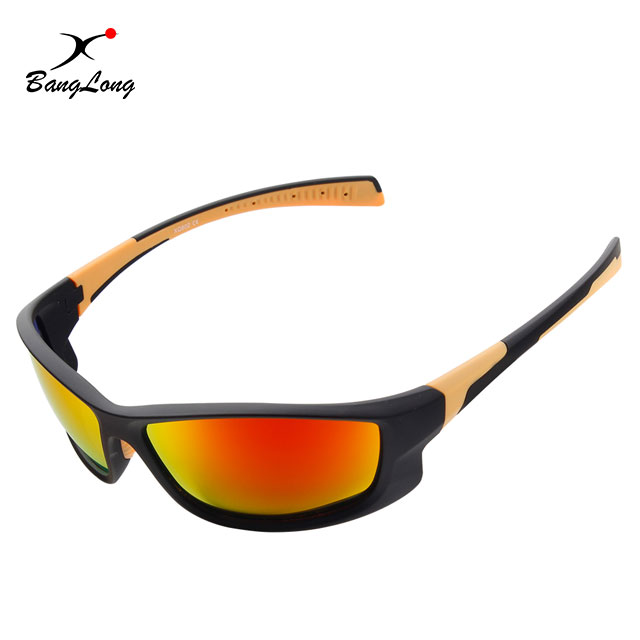
Lens color serves a highly technical purpose in fishing eyewear. It never functions merely as an aesthetic choice. Every tint acts as a specific environmental filter. You must match the color to your typical light conditions.
Freshwater & Inshore (Sight Fishing): Choose amber, copper, or brown lenses for these environments. These warm tints excel at enhancing color contrast. They perform brilliantly in variable, shifting light conditions. They make the silhouettes of fish pop distinctly. You can easily identify green grass beds against murky or tannin-stained water.
Offshore & Deep Sea: Deep blue water requires gray or blue-mirror lenses. These dark tints provide maximum light reduction. They protect your eyes against intense, unbroken sunlight. They handle the harsh reflections common on the open ocean. Gray bases also preserve your natural color recognition perfectly.
Low Light & Overcast (Dawn/Dusk): Early morning and late evening present unique visual challenges. Yellow or rose lenses perform best here. They offer high light transmission percentages. This characteristic brightens your visual field significantly. They still cut localized surface glare without darkening your overall vision inappropriately.
Selecting the wrong tint actively works against you. Wearing dark gray lenses on a cloudy inshore flat hides crucial details. Wearing light yellow lenses offshore leads to severe squinting and fatigue. Always evaluate your primary fishing location before selecting your lens color.
Optical clarity means very little if your frame design fails. Standard flat-front fashion frames perform terribly on the water. They suffer constantly from the light leakage problem. Harmful UV rays and harsh glare enter easily through the open sides. This unwanted light bounces off the inside surface of your lens. It then reflects directly into your eye. You experience massive visual interference and eye strain.
This reality makes Wraparound Polarized Sunglasses absolutely indispensable for serious anglers. They solve the light leakage problem completely.
The secret lies in the base curve. High-performance fishing frames utilize an 8-base curve. This specific curvature provides a deeply contoured fit. The frame hugs your face closely from edge to edge. It seals out ambient light and rear-angle reflections entirely.
Safety forms another major advantage of wraparound designs. The curved architecture creates a solid physical barrier around your entire orbital bone. It blocks errant hooks, flying sinkers, and heavy lures. It also protects your eyes from constant wind exposure. This prevents the severe dry-eye fatigue common during high-speed boat rides.
Frame material matters immensely. Avoid cheap plastics. Look for Grilamid TR90 or advanced nylon polymers. These specific materials offer superior flexibility. They handle high summer heat without warping out of shape. They also survive constant saltwater exposure without turning brittle or degrading.
How do you confidently pick the right pair? You should utilize a methodical evaluation process. Follow these practical testing steps before making your final purchase.
The Screen Test: You can physically test polarization alignment using everyday technology. Hold the sunglasses up to a smartphone or a computer LCD screen. Rotate the frames ninety degrees clockwise. The screen should appear to turn completely black. This simple test confirms the polarization film functions correctly and aligns perfectly.
The Distortion Check: Lower-tier lenses often suffer from subtle optical distortion. Put the glasses on your face. Look at a perfectly straight vertical line, like a door frame or a wall edge. Move your head slowly from side to side. If the straight line bends, waves, or warps, the lens has poor optical clarity. This specific flaw causes severe headaches during long fishing days.
Cost vs. Value Assessment: Balance your budget constraints against your actual usage risk. Buy affordable TAC lenses for high-risk situations. Kayak fishing and wading often result in dropped or lost gear. Invest in premium optical glass lenses if you guide professionally. Frequent offshore trips justify the higher cost through unparalleled optical performance and scratch resistance.
Never rush this evaluation phase. Take the time to assess fit, optical clarity, and material quality. Your eyes are your most valuable fishing tool. Treat your eyewear as a critical piece of technical equipment.
Fishing eyewear remains highly technical equipment. Never treat these items as mere fashion accessories. Consistent success on the water requires a balanced, informed approach. You must combine proper polarization alignment, appropriate environmental tinting, durable optical material, and full-coverage frame architecture.
Conduct a thorough audit of your primary fishing environment today.
Document your typical water type and dominant daily light conditions.
Use this specific environmental data to select your ideal lens tint.
Always purchase your eyewear from a reputable manufacturer to guarantee true UV400 safety.
Applying this structured framework eliminates guesswork. You will purchase gear perfectly suited to your needs. You will spot more fish, protect your eye health, and enjoy your time on the water comfortably.
A: Yes. LCD screens emit polarized light naturally. Viewing these screens through polarized lenses at certain angles often causes the display to appear completely black. You might need to tilt your head slightly to read your electronics properly.
A: Yes. While basic polarization films act similarly, premium glasses offer distinct, measurable advantages. They feature better overall optical clarity and zero visual distortion. They also utilize superior scratch-resistant surface coatings and highly durable, heat-resistant frame materials.
A: Yes. Most premium optical brands provide customized solutions. Specialized fishing eyewear companies offer tailored Rx polarized lenses. You can usually get these complex prescriptions filled in high-quality polycarbonate or optical glass materials to match your exact needs.


