

T: +86-20-86973099
E: sales@xqglasses.com
E: sales@xqglasses.com
NO.3, Yongfu Road, Sandong Avenue West, Huadu District, Guangzhou City, Guangdong Province, China
Views: 0 Author: Site Editor Publish Time: 2026-06-22 Origin: Site


Ever struggled with foggy or uncomfortable ski goggles? A poor fit can ruin your day on the slopes. Proper ski goggles fit is essential for comfort and clear vision.
In this post, you’ll learn why fit matters, common fit problems, and how different goggle parts affect comfort. We’ll guide you to find the perfect fit for your face and helmet.
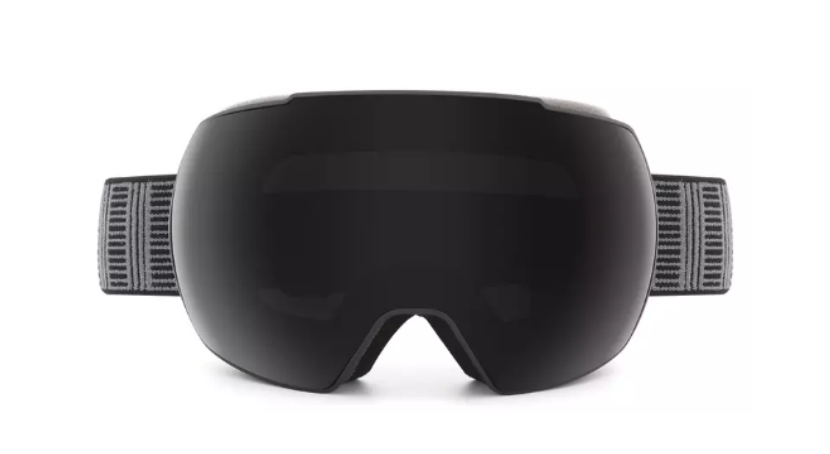
Getting the right ski goggle fit is essential for comfort, safety, and performance on the slopes. Here’s how to ensure your ski goggles fit perfectly:
The foam padding around the frame should sit evenly against your face. It cushions your skin and creates a seal to block wind and snow. However, it shouldn’t press too hard. Excess pressure causes discomfort and leaves marks. Check that the foam touches your cheekbones, nose bridge, and forehead uniformly. If you feel pinching or uneven pressure, try loosening the strap or switching to a different frame shape.
Gaps between the foam and your skin let cold air and snow in, reducing warmth and visibility. Look for any spaces around your temples or nose bridge. These gaps are common if the goggles are too large or the frame shape doesn’t match your face. Properly fitting goggles should create a snug seal without feeling tight. Avoid the "goggle gap," which is the space between your helmet and goggles, as it exposes your forehead and can cause fogging.
To find the right size, measure:
Face width: Distance between your temples
Face depth: From cheekbones to just above your eyebrows
Compare these with the manufacturer’s sizing chart. Ski goggles typically come in small, medium, and large sizes. Small fits smaller faces or youth, medium fits average faces, and large suits bigger heads or those wanting a wide field of vision. Specialty fits like Asian fit or OTG (over the glasses) are designed for specific facial features or eyeglass wearers.
Fit Type | Suitable For | Key Features | Fit Advantages |
|---|---|---|---|
Small Fit | Children, Teens, Adults with narrow faces | Smaller frame, snug fit | Prevents slipping, minimizes gaps |
Medium Fit | Most adult faces | Balanced frame size and comfort | Broad compatibility, general choice |
Large Fit | Wide faces or larger head sizes | Larger frame and lens area | Reduces pressure, improves peripheral vision |
Asian Fit | High cheekbones, flatter nose bridges | Optimized nose bridge and foam | Reduces gaps, enhances comfort |
OTG Fit (Over the Glasses) | Eyeglass wearers | Extra internal space, foam cutouts | Fits over glasses comfortably, prevents pressure |
Small Fit: Ideal for children, youth, or adults with narrow faces.
Medium Fit: The most common size, fitting most adult faces comfortably.
Large Fit: For larger heads or those who prefer a roomy fit and wide vision.
Specialty Fits:
Asian Fit: Designed for high cheekbones and flatter nose bridges.
OTG (Over The Glasses): Extra space and foam cutouts to fit over eyeglasses comfortably.
The elastic strap holds your goggles in place. Adjust it so the goggles sit firmly but comfortably. The strap shouldn’t squeeze the foam too much, or it will cause pressure points. Make sure it’s tight enough to prevent slipping but loose enough to avoid discomfort. Many straps also feature silicone lining to prevent sliding under helmets.
Ski goggles must fit well with your helmet. The foam should sit flush without gaps, and the strap should wrap comfortably around the helmet’s shell. Some helmets have adjustable brims or goggle clips to improve fit and ventilation. Always try goggles on with your helmet to ensure they work together. Poor compatibility can cause pressure points, fogging, or the dreaded "goggle gap."
The "goggle gap" is the space between the top of your goggles and the bottom of your helmet’s brim. It compromises warmth, exposes skin to sun and frostbite, and lets warm air escape, causing fogging inside the goggles. To avoid this, choose goggles and helmets from the same manufacturer or those designed to fit together. Adjust helmet brim positions if possible.
Selecting ski goggles that fit your face shape and size is crucial for comfort and performance. Here’s how to match your goggles to your unique facial features and needs.
Narrow Faces: Look for ski goggles designed with a smaller frame and reduced width. These goggles sit snugly without gaps, providing a secure seal. Small fit ski goggles often work well here, especially models labeled as "Ladies Fit" or "Petite."
Average Faces: Medium fit goggles are the most common choice. They balance frame size and strap length to suit most adult faces comfortably. This size offers a good field of vision and works well with most helmets.
Wide Faces: Large fit goggles provide extra room and a wider lens area. They prevent pressure on the temples and avoid pinching. These are ideal for people with broader facial features or those who prefer a roomy fit for better peripheral vision.
Asian Fit: Designed for facial structures with higher cheekbones and flatter nose bridges, Asian fit goggles have a tailored foam shape and frame contour. They reduce gaps and improve comfort for this facial profile.
Ladies Fit: These goggles feature narrower frames and softer foam to accommodate typically smaller or more delicate facial features. They often come in stylish designs without sacrificing performance.
OTG (Over The Glasses): Ski goggles for eyeglass wearers have extra interior space and foam cutouts to fit comfortably over glasses. This design prevents pressure on the glasses’ arms and avoids fogging. Ski goggles that fit over glasses ensure clear vision without compromising helmet compatibility.
Petite adults and youth often struggle with standard ski goggle sizes. Models like the TROOP Youth or other small fit goggles offer a better fit. These goggles provide secure foam contact without overwhelming smaller faces. Choosing the right size avoids the common problem of goggles slipping or creating uncomfortable pressure points.
Frame shape affects how goggles sit on your face and interact with helmets. Curved or spherical frames tend to offer better peripheral vision but may feel bulkier. Cylindrical frames have a slimmer profile and can fit more snugly, which some prefer for comfort.
No-frame or frameless goggles provide a minimalist look and can reduce pressure points, but they require careful sizing to avoid gaps. Always test how the frame shape feels against your cheekbones, nose bridge, and forehead.
When choosing ski goggles, the lens type plays a crucial role in both fit and visual performance. Understanding the differences between spherical and cylindrical lenses can help you select the best option for your needs.
Cylindrical Lenses: These lenses curve horizontally but remain flat vertically. They create a sleek, straight-front appearance that often complements ski goggles with a no-frame or frameless design. Cylindrical lenses tend to fit closer to the face, offering a snug ski goggle fit that some users prefer for comfort and style. However, this flatter shape can slightly limit peripheral vision and may cause minor optical distortions at certain angles.
Spherical Lenses: These lenses curve both horizontally and vertically, resembling a dome shape. This design mimics the natural curvature of the human eye, providing a wider field of vision and improved depth perception. Spherical lenses usually sit a bit further from the face, which can make the goggles appear smaller despite their larger actual size. This extra space improves ventilation, reducing fogging—an important factor for ski goggles that fit under helmets and in varying weather conditions.
Because spherical lenses curve in two directions, ski goggles equipped with them often feel less snug compared to cylindrical models. The frame may seem bulkier, which can impact how the goggles fit under a ski helmet. Conversely, cylindrical lens goggles tend to have a slimmer profile, making them easier to wear with helmets and accessories like masks.
If you wear ski goggles over eyeglasses or need ski goggles that fit over glasses (OTG models), the extra internal volume of spherical lens goggles can provide more room, enhancing comfort for eyeglass wearers.
Spherical lenses offer several advantages:
Expanded Peripheral Vision: The dual curvature allows you to see more of your surroundings without turning your head, enhancing safety on the slopes.
Reduced Fogging: The increased distance between the lens and your face improves airflow, which helps prevent fog buildup during night skiing or low light conditions.
Better Optical Quality: Spherical lenses distribute light evenly, reducing glare and visual fatigue, essential for all-day skiing in diverse weather.
When selecting ski goggles, optical clarity is as important as fit. High-quality lenses with anti-fog coatings and UV protection safeguard your eyes while maintaining clear vision. Some ski goggles for all conditions come with interchangeable lenses, allowing you to switch between tints for sunny, cloudy, or low light conditions.
For eyeglass wearers, ski goggles for eyeglass wearers or ski goggles that fit over eyeglasses often feature spherical lenses combined with OTG frames. This combination maximizes both comfort and vision without compromising helmet compatibility.
Choosing ski goggles that fit well with your helmet is essential for comfort, safety, and performance. Poor compatibility can cause pressure points, fogging, and the annoying "goggle gap." Here’s how to ensure your ski goggles and helmet work together seamlessly.
When you wear ski goggles under a helmet, the foam padding of the goggles should sit flush against your face without being compressed excessively by the helmet's shell. If the helmet presses too hard on the goggle frame, it can create uncomfortable pressure points around your forehead or temples. Adjust the elastic strap of your goggles so they fit snugly but don’t get squeezed by the helmet. Some helmets have flexible shells or adjustable pads that help accommodate different goggle sizes and shapes.
Fogging inside ski goggles is a common issue that worsens when ventilation is poor. Both helmets and goggles often feature vents to promote airflow and reduce moisture buildup. To maximize fog prevention, choose goggles and helmets with compatible ventilation systems. For example, helmets with vent channels aligned to the goggle vents allow warm air to escape efficiently. This coordination is especially important for ski goggles for low light conditions or night skiing, where clear vision is critical.
Some ski helmets come with adjustable brims or modular brim systems. These allow you to change the position or shape of the helmet’s front edge to better fit your goggles. Adjusting the brim can eliminate the "goggle gap," the space between the top of your goggles and the helmet brim, which exposes your forehead to cold and sunlight. Additionally, many helmets offer goggle clips or straps holders at the back to secure the goggles and prevent slipping during activity.
For the best experience, consider matching goggles and helmets from the same brand or those designed to be compatible. Brands often design their ski goggles helmet systems to work together, ensuring a perfect fit and ventilation synergy. For example:
Helmets with a low-profile design pair well with ski goggles no frame or frameless models for a sleek fit.
Ski goggles for eyeglass wearers (OTG) typically require helmets with enough interior space to accommodate the larger goggle volume.
If you prefer large spherical lens goggles, opt for helmets with adjustable brims to avoid pressure.
Testing your ski goggles with your helmet before purchase is the best way to ensure compatibility. Bring both to the store and check for gaps, pressure points, and strap fit. This is especially important if you use accessories like masks or wear glasses under your goggles.
Even with careful selection, ski goggles can sometimes cause fit issues that affect comfort and performance. Here’s how to identify and fix the most common problems related to ski goggle fit.
If your ski goggles press uncomfortably around your eye sockets or temples, the frame may be too narrow or the strap too tight. This pressure can cause headaches and leave marks on your skin. To fix this:
Loosen the elastic strap slightly to reduce tension.
Try a wider frame model designed for broader faces.
Consider ski goggles with softer foam padding for added comfort.
If you wear ski goggles under a helmet, ensure the helmet isn’t pushing the goggles too tightly against your face.
A poor nose bridge fit is common, especially for those with narrower or flatter noses. If the goggles press too hard on your nose or leave gaps:
Adjust the strap to reposition the goggles higher or lower on your face.
Try models with an Asian fit or a specifically designed nose bridge shape.
Look for ski goggles for small faces or ladies fit, which often have narrower nose bridges.
Some goggles have adjustable nose pieces or foam inserts to customize the fit.
Goggles that slide down your face reduce visibility and cause distraction. Common causes include:
Loose or worn elastic straps.
Incompatible helmet shape causing poor strap grip.
Sweat or moisture making the strap slippery.
To fix slipping goggles:
Tighten or replace the elastic strap if stretched out.
Choose straps with silicone lining to improve grip on helmet or hair.
Ensure ski goggles helmet compatibility; a helmet with goggle clips helps keep straps in place.
Clean the strap regularly and keep it dry.
Before tightening the strap, hold the goggles gently against your face. This lets you feel if the foam padding contacts your skin evenly without pressure points or gaps. Check around your cheekbones, nose bridge, and forehead. If the foam feels uneven or uncomfortable, try a different frame shape or size. This simple test prevents discomfort before you fully secure the goggles.
If you experience persistent discomfort despite adjustments, it’s time to try another frame shape or size. Signs include:
Constant pressure marks or pain around the eyes, temples, or nose.
Noticeable gaps that let in cold air or snow.
The "goggle gap" between helmet and goggles causing exposure and fogging.
Goggles slipping despite strap adjustments.
Switching between small, medium, or large fits, or opting for specialty fits like OTG for eyeglass wearers, can resolve these issues. Remember, ski goggles that fit over glasses require more internal space and specific foam cutouts.
Maintaining the fit and comfort of your ski goggles extends their life and ensures consistent performance. Here are practical tips to keep your ski goggles in top shape, especially when wearing ski goggles under helmet or ski goggles for glasses.
The foam padding is crucial for a snug ski goggle fit, but it can degrade if exposed to moisture or harsh chemicals. Clean the foam gently by:
Using a damp cloth with plain water to remove dirt or sweat.
Avoiding detergents, solvents, or abrasive materials that damage foam or lens coatings.
Letting the foam air dry completely before storing to prevent mold or odor.
For lenses, carefully wipe with a microfiber cloth or use special optics wipes designed for ski goggles. Never rub the inside lens surface aggressively, as many models have anti-fog coatings that can wear off.
Weather changes can affect how your ski goggles fit and feel. Cold temperatures may stiffen the foam, making it less flexible. To adapt:
Loosen the strap slightly in very cold weather to reduce pressure.
Tighten the strap moderately in warmer conditions to maintain a secure fit.
Consider ski goggles for low light conditions or ski goggles for night skiing if you often ski in fog or dim light, as these often have enhanced ventilation and anti-fog features.
Accessories can influence your ski goggle fit:
Wearing a face mask or balaclava under goggles can add bulk, potentially creating gaps. Choose masks with thin, breathable fabric around the nose and cheeks.
When using ski goggles helmet combos, always try the goggles on with your helmet to avoid the "goggle gap."
Some helmets offer adjustable padding or brim systems to fine-tune the fit with your goggles.
Over time, foam padding can compress and straps can lose elasticity, compromising fit and comfort. To maintain optimal ski goggle fit:
Replace foam inserts if they become misshapen or lose cushioning.
Swap out worn elastic straps, especially if they no longer hold the goggles securely.
Many manufacturers offer replacement parts for popular models, including ski goggles that fit over glasses or no frame goggles.
Regular maintenance not only improves comfort but also helps prevent fogging and keeps your vision clear on the slopes.
Achieving the perfect ski goggles fit involves ensuring even foam contact, avoiding gaps, and matching the frame size to your face shape. Well-fitting goggles enhance safety, comfort, and performance by preventing fogging and pressure points. Trying multiple models helps find the best fit for your needs. Banglong offers expertly designed ski goggles that prioritize comfort and compatibility, providing excellent value for all skiers seeking reliable protection and clear vision on the slopes.
A: Ski goggles should have foam padding that sits evenly against your face without pressing too hard, creating a snug seal to block wind and snow. The strap should hold the goggles firmly but comfortably, avoiding pressure points or gaps. Proper ski goggle fit ensures comfort, warmth, and clear vision on the slopes.
A: Ski goggles for eyeglass wearers, often called OTG (over the glasses) goggles, have extra interior space and foam cutouts designed to fit comfortably over eyeglasses without pressure. These ski goggles that fit over glasses prevent fogging and maintain compatibility with helmets.
A: To prevent the "goggle gap," choose ski goggles helmet combinations designed to fit together, ensuring the foam sits flush against your face and the helmet brim aligns properly with the goggles. Adjust helmet brims or use goggles with adjustable straps to maintain a secure seal.
A: Yes, ski goggles for small faces or ladies fit models feature smaller frames and narrower nose bridges to provide a secure, comfortable fit without gaps or pressure. These are ideal for petite adults and youth skiers.
A: Ski goggles for low light conditions or night skiing typically have lenses with enhanced ventilation and anti-fog coatings. Spherical lenses are beneficial as they improve airflow and reduce fogging, providing clearer vision in dim environments.
A: Cylindrical lenses offer a slimmer profile and snug fit, while spherical lenses provide a wider field of vision and better ventilation due to their curved shape. Ski goggles with spherical lenses often fit better over eyeglasses and under helmets, enhancing comfort and performance.


