

T: +86-20-86973099
E: sales@xqglasses.com
E: sales@xqglasses.com
NO.3, Yongfu Road, Sandong Avenue West, Huadu District, Guangzhou City, Guangdong Province, China
Views: 0 Author: Site Editor Publish Time: 2026-07-21 Origin: Site


Stepping onto a boat at dawn brings intense anticipation, but blinding surface glare can quickly ruin the entire experience. Selecting the correct lens color is never just an aesthetic choice. It remains a critical optical decision directly impacting visual depth penetration, contrast enhancement, and eye fatigue over long days. Using the wrong tint in specific light or water conditions results in missed subsurface activity and severe eye strain.
You cannot afford sight fishing failures when targeting wary species. This guide breaks down the industry-standard optical frameworks for matching lens tints and materials to specific aquatic environments. You will learn how to evaluate visible light transmission and frame geometry effectively. Understanding these factors allows buyers to make an informed, highly functional gear investment for their next trip.
Polarization is the baseline: Color dictates contrast, but polarization removes surface glare; both are required for functional fishing eyewear.
Environment dictates tint: Blue mirrored lenses are optimized for bright, open-ocean conditions, while copper, amber, and green mirrored lenses maximize contrast for inshore and shallow freshwater environments.
VLT (Visible Light Transmission) matters: Low-light conditions (dawn, dusk, heavy overcast) require high-VLT lenses like yellow or sunrise silver to maintain visibility.
Material tradeoffs: Selecting between glass, polycarbonate, and TAC lenses requires balancing optical clarity, scratch resistance, and budget.
Light waves travel in multiple random directions directly from the sun. Striking a flat, reflective surface forces these waves into a strictly horizontal alignment. This physical reaction creates an intense visual barrier commonly known as glare. Polarized filters act like microscopic vertical blinds embedded within the lens material. These vertical chemical alignments absorb horizontal light waves instantly. This specific filtration allows you to see right through the water's surface reflection. You can suddenly spot baitballs, submerged rocks, and cruising predators effortlessly.
Many anglers confuse lens color and polarization. Color alone only reduces overall brightness. It functions exactly like a simple window shade. Without a dedicated polarized filter, subsurface visibility remains totally obstructed regardless of the lens tint. Even the darkest gray lens fails to reveal fish if it lacks polarization. You must equip yourself with true Polarized Fishing Sunglasses to penetrate the water column. Color dictates your visual contrast, but polarization removes the blinding glare barrier completely.
Identifying quality polarization requires careful evaluation. Cheap surface coatings degrade rapidly under harsh marine conditions. Saltwater spray and chemical sunscreen easily eat away these poor finishes in just one season. You need optical-grade polarization encapsulated securely between lens layers. You can perform a quick test to verify quality:
Hold the glasses directly in front of an active LCD computer screen.
Rotate the entire frame ninety degrees clockwise.
Watch for the lens to turn completely black, proving genuine polarization.
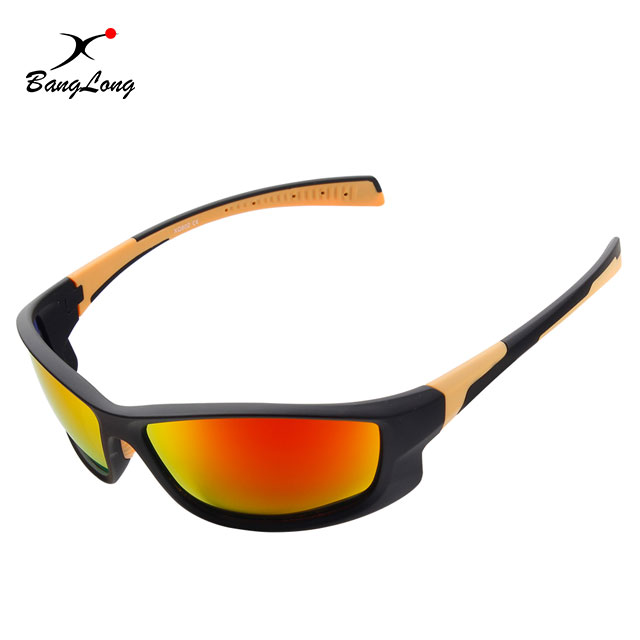
Intense, direct sunlight dominates the open ocean. Deep, clear water reflects massive amounts of harsh ultraviolet light back into your eyes. You face unrelenting exposure during long offshore runs. Color Lens Fishing Sunglasses optimized for this environment typically feature a dark gray base tint. Manufacturers finish this gray base using a heavy blue mirror coating. This specific combination cuts severe harsh glare aggressively. It protects your retinas against severe eye fatigue during offshore trips lasting over eight hours. The Visible Light Transmission (VLT) generally hovers around 10 percent. This low VLT blocks the maximum amount of blinding sunlight.
Shallow water environments present entirely different optical challenges. You encounter variable light, shifting grass flats, and bright sandy bottoms. Copper or amber base tints enhance high contrast naturally. They pull warm colors forward to separate fish from natural bottom backgrounds like weeds or sand. Green mirrors effectively reflect ambient light bouncing off shallow water. The VLT profile usually ranges from 10 percent to 15 percent. This moderate transmission provides essential versatility. You can move smoothly between full sun and sudden cloud cover without losing visual clarity.
Inland environments feature heavily shaded banks and muddy or tannin-stained water. Anglers frequently deal with changing tree canopies blocking the sun sporadically. Brown and bronze lenses boost red and green contrast specifically. This color spectrum manipulation proves ideal for spotting hidden structure. You can easily identify submerged logs, drop-offs, and weed lines in variable freshwater environments. The warm tint brightens shadows under overhanging trees. You maintain sharp focus on your target zones despite rapid changes in ambient light.
Dawn, dusk, thick fog, and heavy cloud cover require maximum light penetration. Yellow and sunrise silver lenses maximize light transmission significantly. They filter out hazy blue light to sharpen your overall focus. Many anglers commit the dangerous error of taking off their sunglasses in low light. This mistake compromises physical eye protection from erratic flying lures. High-VLT lenses keep you safe while enhancing the minimal available light. You spot subtle water movements easily before the sun fully crests the horizon.
Lens Color | Base Tint | Ideal Environment | Average VLT |
|---|---|---|---|
Blue Mirror | Gray | Offshore & Deep Water | 10% |
Green Mirror | Copper / Amber | Inshore & Flats | 10% - 15% |
Brown / Bronze | Brown | Rivers & Lakes | 12% - 15% |
Yellow / Silver | Yellow | Low Light & Overcast | 25% - 30% |
These lenses remain highly cost-effective and extremely lightweight. TAC Lens Fishing Sunglasses offer reliable polarization for casual everyday use. Manufacturers layer thin cellulose films to create a functional barrier against glare. However, they lack the elite scratch resistance found in premium materials. They also do not provide absolute distortion-free clarity across the peripheral edges. These lenses suit budget-conscious anglers perfectly. They make excellent backup pairs to keep in the boat glovebox. Use them in rough-use environments where dropping or losing your glasses remains highly probable.
Polycarbonate represents the undisputed industry standard for raw impact resistance. They weigh significantly less than traditional glass options. You gain highly durable eye protection against fast-moving objects. Tungsten weights and errant flies bounce harmlessly off this rugged material. However, raw polycarbonate scratches rather easily. You must ensure the manufacturer applies premium anti-scratch coatings to guarantee acceptable longevity. These lenses strike an excellent balance between structural safety and optical performance for active tournament anglers.
Glass represents the absolute peak of optical clarity. It delivers an incredibly high Abbe value to minimize light dispersion. You gain unmatched scratch resistance against abrasive salt crystals and rough cleaning cloths. However, glass feels noticeably heavier on your face. This added weight occasionally causes nose bridge discomfort after twelve hours of continuous wear. Glass also poses a higher risk of shattering upon extreme, direct impact. Dedicated sight fishermen often prefer glass simply for its flawless, distortion-free view of the bottom.
Many buyers view mirrored finishes merely as aesthetic upgrades. You should understand them as functional light-management tools instead. They are never just stylistic choices for serious anglers. A mirror coating acts as a vital first line of defense against intense solar radiation. It intercepts bright beams long before they ever reach the internal tint layer. You must treat this exterior coating as an active optical shield.
Mirrors bounce back specific wavelengths of bright light efficiently. This physical reflection effectively drops the VLT by an additional two to five percent. It achieves this precise reduction without darkening your perceived contrast. Quality Mirrored Fishing Sunglasses keep your vision exceptionally sharp. A green mirror reflects green ambient light away from your eyes. This allows the internal copper tint to highlight red and brown fish shapes more intensely.
Mirrored coatings remain historically susceptible to rapid saltwater degradation. Salt crystals act like microscopic sandpaper against the delicate reflective finish. Buyers must always verify the presence of hydro-oleophobic outer layers. These specialized chemical treatments actively repel water, skin oil, and sweat. The repellent nature stops hard water spots from baking into the mirror under the hot sun. This protective step extends the lifespan of your investment significantly.
Even the absolute best color lens fails under poor frame geometry. If your frame allows light to enter from the sides, it ruins your optical advantage completely. Sunlight sneaking in from the top or bottom creates internal glare on the back of the lens. You end up seeing a distracting reflection of your own eyeball instead of the fish. A proper fit blocks ambient light from bypassing the lens entirely.
You must evaluate base curves carefully when selecting frames. An 8-base frame provides a severe, full wrap around your facial contours. A 6-base frame sits much flatter across your cheekbones. The 8-base design remains optimal for minimizing peripheral light intrusion. It hugs your temples tightly to seal out annoying side glare. Flatter frames might look stylish casually, but they fail structurally during intense sight fishing scenarios.
Follow a strict selection process to secure the perfect Fishing Sunglasses for your specific needs:
Shortlist frame models based heavily on your primary fishing environment.
Select the optimal base tint to maximize contrast in local water conditions.
Choose a functional mirror finish to control overall light transmission accurately.
Verify strict 8-base frame wrap and durable lens materials before purchasing.
There is no single perfect color for every fishing situation. Selection requires deliberately matching the lens transmission profile to your primary target environment. Offshore anglers need dark gray bases. Shallow water stalkers require high-contrast amber or copper tints to spot subtle movements.
Some anglers strictly refuse to buy multiple pairs for different conditions. A copper or amber base lens offers the highest versatility across the widest range of water types. Adding a green mirror creates the ultimate "one-quiver" compromise for varying daily light levels.
Prioritize pristine optical clarity and proven polarization above stylish branding. Secure a proper frame fit to ensure long-term comfort and block internal glare. Invest your gear budget wisely to maximize your functional performance on the water.
A: Gray is excellent for reducing overall brightness and maintaining true color perception. This makes it decent for open ocean environments. However, it lacks the contrast-enhancing properties of copper or amber. This makes gray suboptimal for shallow-water sight fishing.
A: While they will cut some glare, driving glasses often lack full-wrap frames. This allows internal glare to ruin your vision. They also usually lack water-repellent coatings and the specific high-contrast tints needed to penetrate water surfaces effectively.
A: Yellow, amber, or light copper lenses work best. These high-VLT colors allow maximum light penetration. They still provide essential polarization and contrasting shadows, which helps you spot subsurface movement safely without straining your eyes.


