

T: +86-20-86973099
E: sales@xqglasses.com
E: sales@xqglasses.com
NO.3, Yongfu Road, Sandong Avenue West, Huadu District, Guangzhou City, Guangdong Province, China
Views: 0 Author: Site Editor Publish Time: 2026-07-24 Origin: Site


Every angler knows the stinging frustration of a missed strike. You cast perfectly into a promising pocket, but harsh surface glare masks the underwater structure and the approaching fish. Instead of an exciting catch, you end up spooking your target entirely. Staring at bright, reflective water all day causes severe eye strain and blinds you to crucial details beneath the surface.
No eyewear provides actual "x-ray vision" to magically reveal the depths. However, specific optical filters neutralize bouncing surface light, allowing you to see what is already there. Equipping yourself properly transforms sight fishing from a guessing game into a precise science.
This guide explores the exact technology required to cut through blinding glare on the water. We will provide a structured evaluation framework for selecting high-performance Fishing Sunglasses. You will learn how to confidently match lens colors, materials, and frame mechanics to your specific aquatic environment.
Polarization is the single mandatory feature for seeing into water; non-polarized UV lenses only darken the glare without removing it.
Lens base colors determine contrast and depth perception, requiring different selections for offshore ocean, shallow flats, and low-light freshwater streams.
Lens materials present a strict trade-off between absolute optical clarity (glass) and impact resistance/weight (polycarbonate/TAC).
Frame retention and side-glare elimination are as critical to visual clarity as the lenses themselves.
Understanding light behavior helps anglers appreciate why specialized optics matter. Sunlight naturally scatters in all directions. When these light waves hit a flat, reflective surface like a lake or ocean, they align horizontally. This horizontal alignment creates a dense, blinding sheet of glare across the water. High-quality Anti-Glare Fishing Sunglasses solve this problem using specialized chemical filters. Manufacturers embed a microscopic vertical film inside the lens. This vertical filter aggressively blocks the horizontal light waves, effectively stripping the glare off the water's surface.
Many beginners confuse standard UV protection with polarization. Standard UV lenses protect your long-term eye health by blocking harmful ultraviolet rays. They darken your overall environment. However, they do not eliminate the blinding horizontal reflection. Polarization provides the distinct visual utility you need to actually spot fish swimming below the surface.
Implementation Reality: This specialized technology carries a well-known quirk. Digital screens rely on similar polarizing filters to display images. When you look at marine GPS units, smartphones, or fish finders, the screens might appear blacked out. They can also look distorted or rainbow-colored. Anglers usually need to tilt their heads slightly to align the filters and read these displays clearly.
One single lens color does not work optimally for every fishing scenario. You must match your lenses to the specific light conditions you face. Visual light transmission (VLT) indicates the percentage of light reaching your eye. Bright offshore days require low VLT lenses to prevent squinting. Overcast river mornings demand high VLT lenses to maximize visibility. High contrast is equally vital for spotting subtle movements.
Water Environment | Ideal Base Color | Mirror Coating | Target VLT | Primary Visual Benefit |
|---|---|---|---|---|
Offshore / Deep Ocean | Gray | Blue Mirror | 10% - 12% | Maximum light reduction, natural color definition |
Flats / Shallow Saltwater | Copper / Amber | Green Mirror | 12% - 15% | High contrast against sandy and grassy bottoms |
Freshwater Streams / Overcast | Yellow / Brown | None or Silver | 15% - 25%+ | Enhanced brightness and depth perception in low light |
The open ocean subjects you to intense, direct sunlight. Harsh glare reflects relentlessly off deep water, causing rapid eye fatigue. For these conditions, your best choice remains a blue mirror over a gray base lens. The gray base offers neutral color transmission. It keeps your eyes relaxed during long offshore runs. The blue mirror finish reflects maximum bright light away from your face. This combination blocks intense sunlight while maintaining natural color definition across deep blue expanses. Anglers targeting marlin, tuna, or mahi-mahi rely heavily on this specific setup.
Sight casting in shallow water demands intense contrast. You must differentiate subtle fish silhouettes from sandy bottoms or dark seagrass beds. A green mirror over a copper or amber base serves as the best choice here. A copper base significantly enhances red and green color spectrums. This enhancement creates a sharp contrast between a cruising bonefish and the surrounding flats. The green mirror reflects scattered light commonly found in shallow environments. It makes tracking redfish or permit visually easier, giving you a crucial split-second advantage.
Freshwater streams often feature dense canopy cover. Murky water, heavy cloud cover, and early morning fog drastically reduce available light. Dark lenses will hinder your vision here. Your best choice involves yellow, sunrise, or pure brown lenses. These colors maximize light transmission by utilizing a higher VLT percentage. Yellow and sunrise lenses physically brighten your field of view. They sharpen contrast in shaded areas, helping you track fast-moving trout in low-light environments. They excel during dawn and dusk fishing sessions.
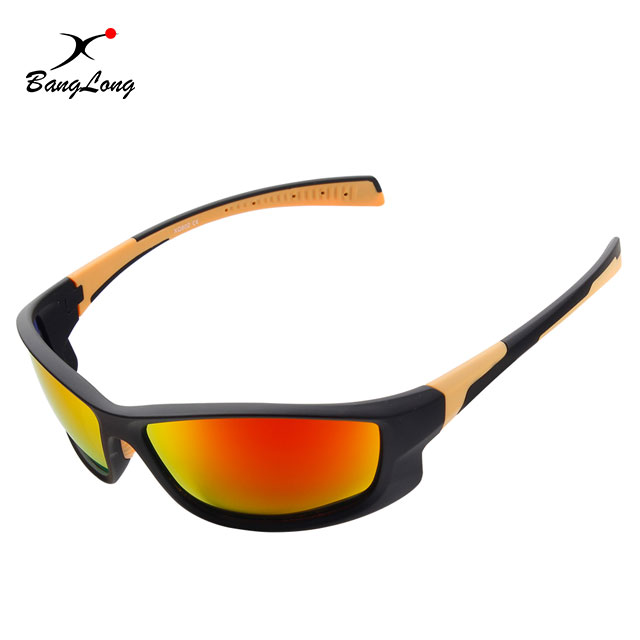
Buyers face strict trade-offs when choosing lens materials. You must balance absolute optical clarity against weight, impact safety, and overall price. Understanding these structural differences helps you select gear matching your specific budget and daily usage habits.
Glass offers unmatched optical clarity. In the optics industry, glass maintains the highest Abbe value, meaning it produces the least visual distortion. It also provides the highest natural scratch resistance available. You can easily wipe away dried salt spray without permanently scarring the surface.
However, glass carries notable risks. It remains the heaviest option on the market. Extended wear often causes severe nose bridge fatigue by late afternoon. Glass requires higher manufacturing costs, making these frames quite expensive. Finally, glass risks shattering if struck by a high-velocity impact, such as a flying tungsten sinker.
Polycarbonate delivers exceptional impact resistance. It serves as the safest barrier against flying hooks or heavy lures. It feels significantly lighter than traditional glass on your face, allowing for comfortable all-day wear.
The primary downside involves surface durability. Polycarbonate scratches easily if manufacturers skip applying premium hard coatings. Anglers must clean them meticulously to avoid swirl marks. You will also experience a very slight loss in edge-to-edge optical clarity compared to pure glass, though most casual users never notice the difference.
If you need budget-friendly gear, TAC Polarized Sunglasses are highly cost-effective and extremely lightweight. Manufacturers construct them using multiple compressed film layers. They offer excellent polarization properties at a fraction of the cost.
Unfortunately, the material is prone to surface scratching. Poorly manufactured layers can delaminate over time, especially when repeatedly exposed to harsh saltwater and direct heat. They serve best as budget options, beginner pairs, or reliable backups to keep in your boat console.
High-quality lenses become entirely useless inside poorly designed frames. All-day wear on the water requires specific structural engineering. Polarized Water-Sport Eyewear must stay securely positioned while blocking peripheral light interference.
Base Curve and Wrap Design: Standard fashion frames leave wide gaps on the sides of your face. Sunlight enters these gaps and bounces off the inside of your lenses directly into your eyes. We call this side glare. An 8-base wrap frame curves closely around your facial structure. This crucial design acts like a blinder, blocking side glare completely and locking your focus straight ahead.
Buoyancy Technology: Dropping expensive gear in deep water ruins a fishing trip instantly. Floating Polarized Sunglasses solve this frustrating problem. Manufacturers build these frames using low-density injection-molded materials, such as TPX. They stay buoyant on the surface indefinitely. This allows for easy retrieval if they fall overboard while you are netting a fish.
Retention and Fit: Sweaty faces, humid weather, and sudden ocean spray cause standard plastic frames to slip down your nose. Hydrophilic rubber components are strictly necessary for water sports. Placing this specialized co-injected rubber on nose pads and temple tips increases physical grip. The material actually becomes stickier and more secure when exposed to moisture.
Selecting the right pair requires careful evaluation before checking out. Follow a structured approach to ensure you purchase authentic, high-performance gear.
Testing Polarization: Always verify polarization before removing the retail tags. Look at your smartphone or a digital LCD screen. Rotate the glasses 90 degrees horizontally. The screen should turn completely black or dramatically darken. If it does not, the lenses lack proper polarization filters.
Optical Center Alignment: Cheap lenses often lack proper decentering. Put the glasses on and move your eyes left to right. If you feel dizzy or notice a "fish-bowl" distortion effect, the optical center is misaligned. This causes severe headaches during long trips.
Warranty and Loss Policies: Breaking expensive gear remains a primary pain point for anglers. Evaluate brands based on their post-purchase support. Look for companies offering lifetime warranties against manufacturer defects. Some premium brands also provide subsidized scratch replacement programs or limited loss coverage.
Frame your financial investment expectations realistically based on your usage frequency:
Budget pairs ranging from $30 to $50 work perfectly for occasional, casual trips or as boat backups.
Mid-tier options ranging from $50 to $150 offer excellent durability, polycarbonate safety, and moderate optical clarity.
Frequent anglers must view premium pairs ($150-$250+) as essential sight-fishing equipment. They are specialized optical tools built for maximum clarity, not just simple fashion accessories.
Spotting fish successfully requires matching powerful polarized filters with specific lens hues optimized for your local waterways. Understanding visual light transmission ensures you never suffer from eye fatigue or diminished depth perception. Begin your search by prioritizing an amber or copper polycarbonate lens if you need one versatile pair for varied environments.
Always assess your most frequent fishing conditions—whether offshore deep water, shallow coastal flats, or shaded freshwater streams—before finalizing any purchase. Invest in secure, 8-base wrap-around frame designs to maximize eye comfort. Equipping yourself properly removes the guesswork, letting you focus entirely on your next cast.
A: Yes, mechanically speaking, any polarized lens will cut through basic surface glare. However, standard fashion sunglasses lack the necessary 8-base wrap-around frames. They leave your peripheral vision exposed to blinding side glare. They also lack the specific color-contrast bases needed to spot fish silhouettes efficiently. Dedicated fishing frames offer superior retention and targeted color filtering.
A: Your marine electronics use digital LCD screens. These screens emit light through their own built-in polarizing filters. When you look at them through polarized lenses, the two distinct filters conflict. This cross-polarization causes the screen to appear blacked out or heavily distorted. Tilting your head slightly usually fixes the alignment issue.
A: Never wipe dry saltwater off your lenses directly. Salt crystals act like microscopic, abrasive sandpaper. You must rinse the glasses thoroughly with clean, fresh water first. Once the salt dissolves and washes away, gently dry the lenses using a clean, soft microfiber cloth.


