

T: +86-20-86973099
E: sales@xqglasses.com
E: sales@xqglasses.com
NO.3, Yongfu Road, Sandong Avenue West, Huadu District, Guangzhou City, Guangdong Province, China
Views: 0 Author: Site Editor Publish Time: 2026-08-28 Origin: Site


Outdoor play is essential for healthy childhood development. However, extended sun exposure brings significant hidden dangers to young athletes. Children receive up to three times the annual UV exposure of adults. Young eyes remain incredibly sensitive to harsh sunlight. Standard fashion sunglasses often lack the structural integrity required for active play. They break easily and completely fail to block harmful rays.
Purchasing decision-makers frequently face a core problem when shopping for gear. Parents and coaches conflate dark lens tint with actual UV defense. This dangerous misunderstanding leaves children extremely vulnerable. They risk silent, invisible ultraviolet damage. They also face severe physical impact injuries during dynamic sports. A simple fall can turn cheap plastic frames into a major hazard.
Our objective is to permanently solve this critical issue. We will establish a reliable framework below. You can use this guide for evaluating and selecting sport-specific eyewear. This proven process guarantees clinical-grade UV protection. It ensures the chosen glasses survive the physical rigors of youth athletics.
UV400 is Non-Negotiable: A UV400 rating is the only standard that ensures 100% blockage of harmful UVA and UVB rays (up to 400 nanometers).
Tint Does Not Equal Protection: Dark lenses without UV400 verification actually increase risk by dilating the pupil and allowing more UV radiation to enter the eye.
Material Matters: True children sports eyewear must combine UV defense with shatterproof polycarbonate lenses to prevent impact-related trauma.
Adoption Relies on Comfort: High-protection metrics are useless if the glasses are too heavy or uncomfortable; prioritizing lightweight kids sunglasses with secure fits is critical for consistent wear.
Biological vulnerability requires urgent attention from parents and coaches alike. A child's crystalline lens operates quite differently than a fully developed adult lens. It remains highly transparent during the early developmental years. This extreme transparency allows up to 70 percent more UV rays to reach the sensitive retina. Adult eyes naturally filter out some of this solar radiation over time. Children completely lack this inherent biological shield. Continuous, unprotected exposure damages cellular structures deep inside the eye. This unseen damage accumulates rapidly during long weekend tournaments.
Parents often fall into a dangerous false sense of security. They frequently buy cheap, dark-tinted lenses at retail checkout counters. These trendy fashion accessories create an illusion of safety. Dark lenses naturally cause the pupil to dilate widely. A dilated pupil acts exactly like a wide-open camera aperture. If the dark lens lacks proper UV blocking properties, disaster strikes. Massive amounts of unfiltered UV radiation flood the inner eye. This specific scenario causes significantly more harm than wearing no sunglasses at all.
Physical threats violently compound these biological risks during active sports. Standard acrylic or glass lenses present immense shatter hazards. Baseballs, flying elbows, and sudden turf falls happen frequently on the field. Glass lenses shatter instantly upon impact. Sharp acrylic fragments can cause irreversible corneal lacerations. Active outdoor use demands a much higher safety baseline. Kids need dedicated protective equipment designed specifically for intense physical impacts. Fashion frames simply belong nowhere near a sports field.
Understanding the UV400 standard simplifies the buying process immensely. The term refers to a highly specific technical optical specification. The number 400 denotes distinct light wavelengths measured in nanometers. A certified UV400 lens completely blocks all light rays up to this 400-nanometer threshold. This action effectively stops 99 to 100 percent of harmful UVA and UVB radiation. The sun constantly emits these invisible, damaging waves. Reliable children sports eyewear strictly adheres to this vital optical benchmark.
Ultraviolet exposure triggers severe short-term and long-term medical outcomes. We must examine both categories to understand the full risk profile.
Short-term consequences: Photokeratitis acts exactly like a painful sunburn on the eye surface. It causes intense redness, excessive tearing, and temporary vision loss. Reflective environments heavily amplify this immediate risk. Water and snow bounce UV rays directly back into the face.
Long-term consequences: Cumulative cellular damage builds silently over decades. Medical experts link early-onset cataracts directly to childhood sun exposure. Unfiltered UV radiation also drastically increases the risk of macular degeneration later in life.
Buyers must confidently verify UV400 claims before making a purchase. Avoid trusting generic, peel-off sticker claims found on cheap display racks. Look closely for specific, heavily regulated certification marks. Reliable frames feature CE, ANSI, or ISO stamps engraved directly on the plastic arm. These permanent marks guarantee the product underwent rigorous independent laboratory testing. They confirm the manufacturer prioritized genuine optical safety over mere aesthetics.
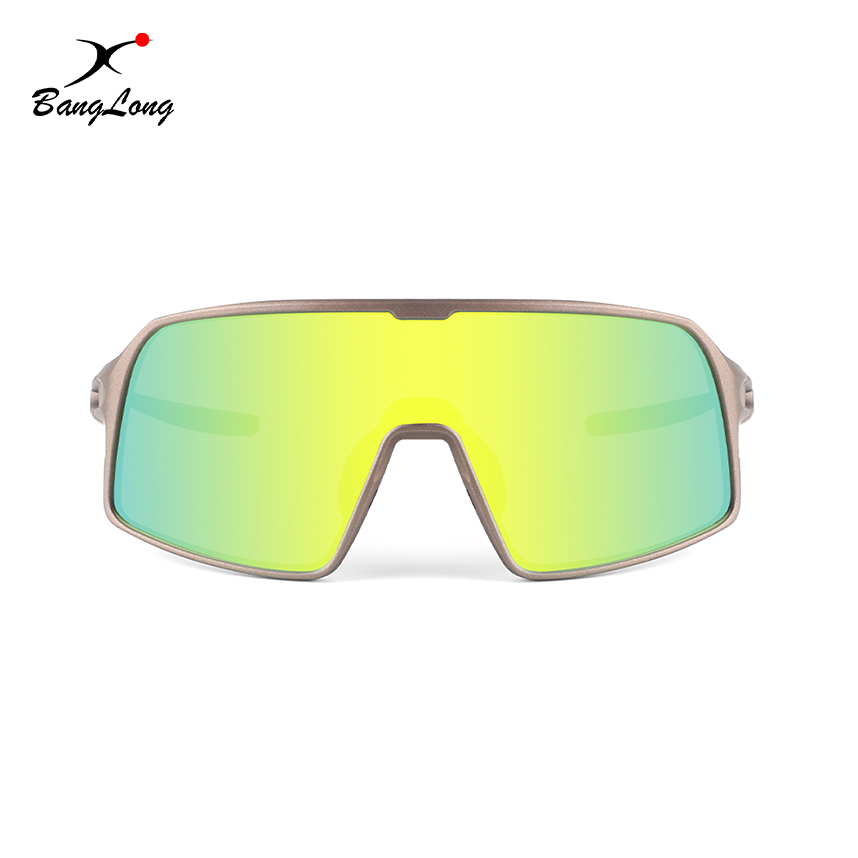
Impact resistance stands as the single most critical physical requirement. Proper kids UV protection sunglasses must use premium polycarbonate lenses. Polycarbonate is an incredibly tough, aerospace-grade material. It effectively absorbs kinetic energy from fast-moving objects. It proves up to ten times more impact-resistant than standard plastic. Polycarbonate also inherently provides excellent baseline UV protection. It naturally blocks harmful rays even before manufacturers apply specialized chemical coatings.
Parents must also understand the distinct difference between polarized and non-polarized options. Both serve unique purposes depending on the specific sporting environment. You can use the reference guide below for absolute clarity.
Lens Selection Guide: Polarized vs Non-Polarized Lenses
Lens Technology | Mechanism of Action | Best Use Cases | When to Avoid |
|---|---|---|---|
Polarized Lenses | Filters out intense horizontal glare bouncing off flat, shiny surfaces. | Water sports, competitive skiing, fishing, and open-ocean boating. | Sports requiring high depth perception (e.g., baseball, mountain biking). |
Non-Polarized Lenses | Reduces overall brightness without altering depth or visual contrast. | Field sports, road cycling, tennis, and daily playground use. | Extreme glare environments like open water or bright snowfields. |
Frame architecture plays an equally important role in overall optical defense. Seek out aggressive wrap-around designs. These curved frames contour tightly against the child's face. They successfully block peripheral UV leakage coming from the open sides. Wrap-around frames also stop high-speed wind and dust ingress. This physical barrier proves absolutely critical for cycling and fast-paced field sports. Searching for certified UV400 sunglasses for kids ensures maximum lateral protection against the elements.
The primary implementation failure revolves entirely around the "will they wear it" risk. Children routinely abandon uncomfortable safety gear within minutes. High-protection metrics become completely useless if the glasses stay buried in a backpack. We must prioritize physical comfort above all else. Fit and wearability ultimately determine the actual success of any protective equipment.
Material flexibility heavily influences long-term durability and daily comfort. Evaluate TR90 memory plastic frames during your careful selection process. TR90 possesses unique, highly advanced thermoplastic properties. It bends significantly under immense pressure without snapping. A child can sit on these frames accidentally in the car. The plastic simply flexes and quickly returns to its original shape. This incredible flexibility prevents sharp plastic shards from forming during high-speed collisions.
Ergonomics require careful attention to overall frame weight distribution. Heavy frames inevitably cause painful nose-bridge fatigue. They also slip down the nose rapidly during heavy sweating. You must prioritize lightweight kids sunglasses for continuous outdoor wear. Low-weight models feel practically invisible on the face. They eliminate annoying pressure points behind the ears.
Retention systems keep the eyewear firmly locked in place. Dynamic movement requires specialized gripping components to prevent constant readjustment. Look for these three essential features:
Integrated or fully adjustable silicone head straps to prevent accidental drops.
Rubberized temple grips gripping securely behind the ears.
Soft, hydrophilic nose pads increasing friction safely during intense perspiration.
Different activities demand entirely different optical and physical features. You cannot use a single pair of glasses for every possible environment.
Field and track sports require highly specialized visual enhancements. Soccer, baseball, and running demand extreme shatter resistance first. Anti-fog coatings keep vision crystal clear during intense physical exertion. Consider amber or rose lens tints for these specific environments. These specific colors enhance visual contrast dramatically. They make white baseballs pop distinctly against green grass or deep blue skies. This contrast improvement actively boosts athletic reaction times.
Water and snow environments present unique, highly reflective challenges. Swimming, surfing, and skiing expose young eyes to extreme horizontal glare. You should strictly prioritize polarized UV400 sport glasses here. Hydrophobic coatings repel water droplets instantly from the lens surface. Secure wrap-around straps combat highly reflective surfaces safely. They prevent the glasses from vanishing permanently into the rough waves.
General purpose and recess activities need versatile, rugged solutions. Kids need highly durable frames for unstructured daily play. Focus on cost-effective TR90 frames. They provide robust protection for casual playground use. They easily survive being thrown carelessly into a crowded school locker. These specific models offer the absolute best balance of daily safety and long-term affordability.
Protecting a child's eyes requires a dedicated dual-threat approach. We must completely block invisible radiation using certified UV400 lenses. We must also prevent physical trauma using shatterproof polycarbonate materials. Standard fashion accessories simply cannot meet these rigorous demands. They offer false promises and elevated risks.
Audit your child's current eyewear immediately. Check internal arm labels for verified UV400 and polycarbonate markers. Discard any cheap tinted plastic lenses lacking proper certification. Browse certified, sport-specific collections prioritizing both clinical safety and ergonomic comfort. Proper protective gear ensures children play hard while remaining visually protected for life.
A: You can easily verify UV protection using a UV light spectrometer. Most local optometrist offices offer this quick test for free. Always look for official certification marks like CE, ANSI, or ISO etched directly on the frame arm. Avoid trusting removable stickers on cheap retail glasses. Buying directly from reputable, certified optical brands guarantees accurate UV400 protection.
A: Polarization solely reduces horizontal glare. It does not provide any extra UV protection. Polarized lenses work perfectly for water and snow sports. However, they can negatively impact sports requiring precise depth perception. Avoid polarized lenses for baseball or mountain biking. Standard UV400 polycarbonate lenses remain the absolute safest choice for most high-speed ball sports.
A: Yes. Optical labs easily apply UV400 coatings directly to polycarbonate prescription lenses. This simple process ensures flawless vision correction and full ultraviolet defense. Parents should consult their pediatric optometrist for custom sports goggles. These specialized prescription frames usually include impact-resistant safety standards required for organized youth sports leagues.
A: UV protection should begin in infancy. Babies and toddlers possess highly sensitive eyes. Introduce sport-specific frames as soon as the child engages in active, high-mobility play. Early adoption actively builds lifelong safety habits. It permanently prevents irreversible cumulative ultraviolet damage from occurring during their most vulnerable developmental years.


