

T: +86-20-86973099
E: sales@xqglasses.com
E: sales@xqglasses.com
NO.3, Yongfu Road, Sandong Avenue West, Huadu District, Guangzhou City, Guangdong Province, China
Views: 0 Author: Site Editor Publish Time: 2026-07-31 Origin: Site


Water environments present unique optical challenges. Standard eyewear fails miserably when confronted by intense marine or freshwater glare. You need high-quality optics just as much as your favorite rod or reel. Superior lenses ensure angling success by revealing submerged structures and cruising fish. They also protect your eyes from serious physical and environmental hazards. Unfortunately, evaluating modern optics feels completely overwhelming today. Endless marketing jargon, confusing lens tints, and varying frame materials complicate a simple purchase. This guide cuts through the noise. We provide a strict, scenario-based evaluation framework. You will learn how to match exact lens tints and frame specifications to your specific fishing environments. We cover everything from glare reduction basics to advanced protective coatings. By the end, you will know exactly how to choose the right gear for your face and your favorite waters.
Polarization is mandatory, not optional: Cutting surface glare is the baseline requirement for sight fishing.
Lens color dictates environmental success: Copper/amber for shallow freshwater; blue/grey for offshore.
Material tradeoffs dictate longevity: Glass offers superior clarity and scratch resistance, while polycarbonate provides essential impact protection and lightweight comfort.
Frame coverage prevents light leak: Base curve and fit are critical to preventing eye fatigue during 8-hour days on the water.
Sunrays radiate in all directions under normal conditions. When they hit a flat surface like a lake or ocean, they reflect horizontally. This creates a concentrated, intense beam of light known as blinding glare. Regular tinted lenses merely darken your entire field of vision. They do not selectively block this horizontal glare. This physical reality makes Polarized Fishing Sunglasses completely non-negotiable for serious anglers. A specialized polarized filter acts like a microscopic Venetian blind. It selectively blocks those harsh horizontal light waves while allowing vertical light to pass. This optical advantage lets you peer directly beneath the surface. You can easily identify drop-offs, submerged weed beds, and target species.
Physical protection serves as another critical baseline. Waterways hold hidden dangers. Lures often fly back at high speeds when they pop loose from a deep snag. Heavy tungsten weights can easily shatter ordinary fashion glass. Errant casts from inexperienced boat partners pose constant threats. Quality frames utilize shatterproof materials to shield your eyes from blunt force trauma. They act as a crucial physical barrier during chaotic moments on the deck.
True UV compliance matters deeply for long-term optical health. Spending hours under the open sky exposes you to intense ultraviolet radiation. Water reflects up to 100% of UV rays, effectively doubling your exposure compared to standing on land. You risk developing photokeratitis, which feels like having sand constantly rubbing in your eyes. Over decades, unchecked UV exposure accelerates cataract formation. You must insist on certified UV400 Fishing Sunglasses. These block all harmful UVA and UVB radiation up to 400 nanometers. Never trust cheap knockoffs making unverifiable protection claims.
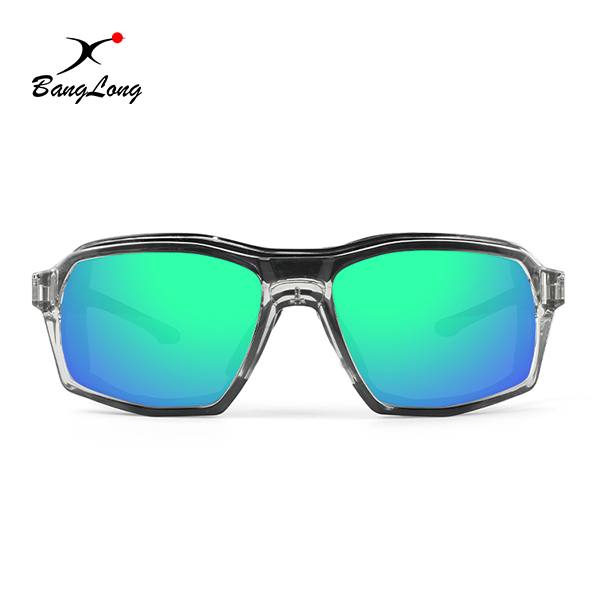
Lenses are not a universal solution. You need a clear framework for selection. The right tint makes a massive difference when tracking fish across different water clarities.
Harsh, open-ocean environments demand maximum light reduction. You stare at deep blue water under direct overhead sun for hours. You should choose a blue mirror finish applied over a grey base lens. This combination excels under intense, unfiltered sunlight. A grey base functions as a neutral density filter. It does not distort natural colors. You can comfortably scan the horizon for breaking pelagics without squinting. The blue mirror reflects the intense blue spectrum away from your eyes.
Shallow environments require high visual contrast rather than maximum darkening. You need to distinguish between a dark grass bed and a muddy patch. Choose copper, amber, or bronze base lenses. Many anglers prefer these paired with a green mirror finish. This combination manipulates the color spectrum by blocking blue light. Blue light typically causes visual haze. Blocking it boosts contrast dramatically. This proves essential for sight fishing in variable lighting conditions. You can easily spot sandy potholes and tailing redfish in murky or tannic waters.
Early mornings and late evenings present unique optical hurdles. You often leave the dock in the dark while dew and fog hang in the air. Heavy cloud cover renders standard dark lenses useless. You cannot safely navigate or fish if your vision is too dark. Yellow or silver sunrise lenses provide the perfect solution. They gather available light and enhance depth perception. You maintain a sharp, polarized view of the water during dawn patrols without sacrificing brightness.
Use this evaluation matrix to match your typical fishing environment to the correct lens specifications.
Target Environment | Ambient Light Condition | Ideal Base Color | Recommended Mirror | Primary Visual Benefit |
|---|---|---|---|---|
Offshore / Deep Ocean | Intense, Direct Sun | Grey | Blue | Maximum glare reduction; preserves true colors. |
Inshore / Shallow Flats | Variable / Bright | Copper or Amber | Green | Boosts contrast; highlights underwater structure. |
Freshwater Rivers / Lakes | Variable / Shaded | Amber or Bronze | None or Green | Enhances depth perception in stained water. |
Dawn / Dusk / Overcast | Low Light / Flat | Yellow | Silver | Maximizes light transmission while polarizing. |
Choosing the right lens material requires evaluating objective tradeoffs. No single material perfectly suits every angler. We must examine the two dominant options closely to understand their distinct advantages.
Glass sets the absolute benchmark for optical clarity. It possesses a high Abbe value, meaning it produces minimal color distortion. Nothing beats looking through finely ground glass when spotting fish. It provides a crisp, flawless view across the entire lens surface. Glass is also incredibly scratch-resistant. Salt spray dries into highly abrasive crystals. You often need to wipe lenses quickly on a shirt. Glass survives this daily abuse easily.
However, glass carries distinct disadvantages. It weighs noticeably more on the bridge of your nose. This extra weight increases facial fatigue during long offshore trips. Glass also costs significantly more upfront. Finally, it remains prone to shattering upon extreme, high-velocity impacts from heavy weights.
Polycarbonate lenses cater perfectly to highly active anglers. Manufacturers inject this advanced plastic into precise molds. It is inherently impact resistant and widely used in safety glasses. Polycarbonate flexes instead of breaking upon impact. It weighs half as much as glass, making it extremely comfortable. You might even forget you are wearing them. Generally, polycarbonate options remain more affordable.
The downsides involve scratch susceptibility. The surface is softer than glass. Polycarbonate develops micro-scratches easily if you clean it carelessly. You must never wipe dry salt off plastic lenses. Micro-scratches scatter light, causing blurry vision over time. Furthermore, you might notice a very slight drop in optical purity compared to high-end glass.
Even the best lenses fail if the frames fit poorly. Uncomfortable gear usually ends up sitting unused in the boat console. Frame architecture determines how effectively the glasses perform in real-world conditions.
Proper base curve and wrap design are vital. A flat 6-base curve resembles casual aviators. An 8-base curve wrap design conforms aggressively around your face. It curves tightly around your temples to block peripheral light. We call this unwanted intrusion light leak. Unfiltered peripheral light forces your pupils to adjust constantly. This causes severe eye strain and headaches over an eight-hour day. A tight wrap also blocks harsh winds from drying out your eyes while running the boat.
Retention and risk mitigation deserve your strict attention. High-quality frames feature hydrophilic rubber elements on the nose bridge and temple tips. Standard plastic gets slippery when you sweat. Hydrophilic rubber absorbs moisture and grips tighter. It keeps the frames securely locked onto your face. If you are a kayak angler or paddleboarder, your drop-risks are extremely high. A sinking pair of glasses ruins a great trip. You should seriously evaluate Floating Fishing Sunglasses. They utilize specialized low-density materials or hidden air chambers to stay on the surface. Alternatively, you must invest in high-visibility neoprene retainers for standard frames.
Ventilation solves another common pain point. High-humidity environments cause lenses to fog up constantly. Fog occurs when your body heat meets cooler outside air. High-wrap frames tend to trap this heat. Sweat evaporates and condenses on the inner lens surface. Advanced frame designs incorporate subtle venting ports near the brow. These ports channel airflow behind the lens. The breeze rapidly clears condensation without letting stray sunlight enter.
Follow these specific steps to evaluate frame fit properly:
Put the frames on and shake your head gently side to side. They should not slide down your nose.
Look for gaps around the bottom cheeks and side temples where sunlight might leak in.
Ensure the temple arms do not pinch the sides of your head too tightly.
Wear your typical fishing hat to confirm the frame brows do not interfere with the brim.
Many anglers face non-standard needs when purchasing optic gear. Do not let these specialized requirements derail your selection process. Modern technology provides excellent solutions for complex optical demands.
Navigating prescriptions often feels daunting. Ordering customized Prescription Fishing Sunglasses requires careful planning and coordination. First, you must obtain a current, valid prescription from your optometrist. Digital surfacing technology now maps complex prescriptions onto curved lenses. However, you must be aware of structural limitations. Extreme 8-base wrap frames cannot always accommodate high prescriptions without inducing a fish-bowl effect. This distortion causes dizziness. You might need to select a flatter 6-base curve frame with side shields instead. Expect longer production timelines and higher costs for custom jobs. This necessary investment completely transforms your on-water experience.
Lens coatings frequently confuse buyers. We need to demystify these premium additions. Vacuum deposition applies microscopic layers to the lens. Anti-reflective (AR) coatings sit on the back surface of the lens. Light often enters from behind your head and reflects off the inside of the lens directly into your eye. AR coatings eliminate this distracting rear glare. Oleophobic coatings utilize nanotechnology to repel natural skin oils. They make wiping away stubborn sunscreen smudges and fingerprints effortless. Hydrophobic coatings increase the contact angle of water droplets. They force sea spray and rain to bead up and roll off instantly. These advanced coatings justify their premium price tags. Saltwater anglers deal with constant spray and grime. High-quality coatings keep your vision impeccably clear when a trophy fish suddenly strikes.
Selecting the perfect eyewear follows a logical, sequential formula. First, identify your primary water environment to determine the best lens color. Second, assess your budget and weight tolerance to choose between glass and polycarbonate materials. Third, evaluate your face shape to ensure a tight, comfortable frame fit. This simple progression guarantees you buy exactly what you need.
Always prioritize proper fit and polarization quality over brand aesthetics. Fishing Sunglasses are critical operational tools, not just fashion statements. We highly recommend checking a retailer's return policy before purchasing. You should test the frame fit at home. Wear them with your usual fishing hat for an hour. If they pinch your temples or let light leak in, exchange them immediately. Take the time to get this exact right. Your eyes will thank you during long, demanding days on the water.
A: Yes, they are completely necessary. Standard dark lenses only reduce the overall brightness of the sun. Polarized lenses contain a special optical filter that actively blocks horizontal light waves. This eliminates the blinding glare bouncing off the water's surface, allowing you to see submerged structure and fish clearly.
A: Driving sunglasses typically lack the necessary frame wrap. They allow harsh sunlight and wind to leak in from the sides, causing severe eye fatigue. Furthermore, casual driving frames usually lack the anti-corrosive hardware and specialized protective lens coatings needed to survive harsh saltwater environments.
A: You must always rinse your lenses with fresh water first. Never wipe dry salt crystals off the lens, as they act like sandpaper and will cause permanent micro-scratches. After a thorough freshwater rinse, gently dry them using a clean, high-quality microfiber cloth.
A: A copper or amber lens serves as the most versatile choice for varied environments. It provides excellent visual contrast for shallow freshwater and inshore flats. While it does not block as much total light as a grey/blue lens, it performs adequately offshore and excels in variable weather conditions.


