

T: +86-20-86973099
E: sales@xqglasses.com
E: sales@xqglasses.com
NO.3, Yongfu Road, Sandong Avenue West, Huadu District, Guangzhou City, Guangdong Province, China
Views: 0 Author: Site Editor Publish Time: 2026-08-15 Origin: Site


Pushing through a challenging run requires intense physical focus and mental clarity. Nothing shatters this hard-earned rhythm faster than feeling your eyewear slide down the bridge of your nose. The combination of heavy sweat, summer heat, and repetitive impact forces everyday frames to constantly lose their grip. Continually pushing your shades back up is not just a minor annoyance. It actively disrupts your arm carriage and shifts your mental energy away from proper pacing. We understand this specific frustration perfectly. While aftermarket accessories and DIY hacks can temporarily secure casual frames, they often introduce new friction points during high-mileage efforts. In this guide, you will discover the exact biomechanical reasons why frames slip and bounce. We will provide a clear framework for stabilizing your current eyewear using simple methods. Finally, you will learn the precise evaluation criteria needed to upgrade to purpose-built running shades when temporary hacks fall completely short.
Slipping is primarily caused by poor weight distribution and materials that lose friction when exposed to sweat.
Aftermarket fixes (straps, silicone hooks, waxes) offer low-cost stabilization but can cause chafing or pressure points on long runs.
Upgrading to dedicated Running Sunglasses shifts the solution from reactive fixes to proactive engineering (e.g., hydrophilic grip materials).
When evaluating new gear, prioritizing Lightweight Running Sunglasses and adjustable hydrophilic nose pads guarantees maximum stability with minimal bounce.
Understanding why everyday glasses fall requires a brief look at running biomechanics. Every time you strike the pavement, your body absorbs and transfers energy. Casual eyewear simply lacks the engineering required to handle these repeated kinetic shifts. We can break down the mechanics of slippage into three core components.
Every single foot strike sends kinetic energy traveling upward through your legs, spine, and eventually to your head. Standard frames fail to absorb this shock. Heavier frames carry significantly more momentum during this energy transfer. When your body moves up, the heavy frames want to stay down. This opposing physical force pulls the glasses down the bridge of your nose. Over the course of a five-mile run, you experience thousands of these micro-impacts. Each strike inches the frames closer to the tip of your nose, ruining your focus.
Dry skin provides a natural level of friction against plastic. Standard plastic and acetate frames rely entirely on this dry friction to stay seated. However, runners produce heat and moisture rapidly. These everyday materials lose surface grip instantly upon contact with sweat, facial oils, or sunscreen. They become incredibly slick. Once the moisture barrier forms between the plastic pad and your skin, zero friction remains. Gravity takes over immediately, pulling the glasses downward.
Casual sunglasses prioritize fashion over athletic function. Designers often place the bulk of the frame weight entirely in the front. Heavy glass lenses and thick acetate brow lines create a forward-pulling cantilever effect. The frames act like a seesaw balanced poorly on the bridge of your nose. Because the earstems lack counterbalancing weight, the heavy front section continuously tips forward. This unequal distribution guarantees slippage the moment you start jogging.
Before buying new gear, many runners attempt to modify their existing eyewear. We can secure casual frames using several clever aftermarket solutions. However, these methods often involve a trade-off between stability and physical comfort.
Comparison of Temporary Eyewear Stabilization Methods
Solution Type | Primary Mechanism | Best Use Case | Potential Drawback |
|---|---|---|---|
Eyewear Retainers | Tension strap around the head | Trail running, preventing drops | Traps heat, chafing behind ears |
Silicone Hooks | Slide-on ear anchors | Short distance road runs | Causes tension headaches |
Anti-Slip Wax | Friction-boosting surface balm | Humid, low-impact runs | Requires mid-run reapplication |
You can slide neoprene or cord straps directly onto the temple tips of your glasses. These retainers secure the temples tightly around the back of the head. This mechanism provides extreme security. It completely prevents accidental drops on rough trails. However, retainers often trap excessive body heat against the skin. They frequently interfere with running hats, ponytails, or bone-conduction headphones. Furthermore, the constant tension risks severe chafing behind the ears during sweaty, long-distance sessions.
Silicone ear hooks are inexpensive, slide-on sleeves. You attach them directly to the ends of the earstems. They hook aggressively behind the ear cartilage. This inexpensive fix maintains the traditional look of your glasses while preventing forward movement. Unfortunately, silicone hooks simply shift the mechanical pressure. They move the load from the nose directly to the sensitive back of the ears. This concentrated pressure often causes tension headaches on runs lasting longer than forty-five minutes.
Anti-slip waxes act like lip balm for your eyewear. You apply the wax directly to the nose bridge of the frames. The wax creates a tacky layer between the plastic and your skin. This solution remains totally invisible. It requires no extra hardware or uncomfortable straps. However, sweat and intense body heat eventually break down the wax. You will likely need a mid-run reapplication. The wax degrades quite quickly during extreme heat waves or heavy summer downpours.
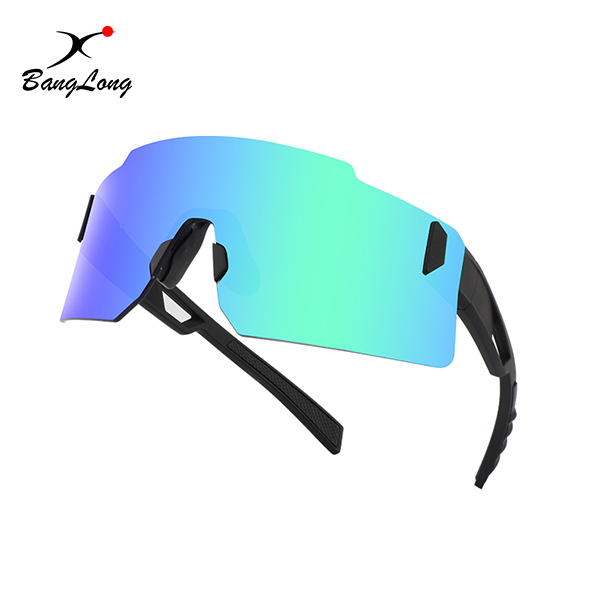
When DIY hacks cause chafing or fail halfway through your route, structural upgrades become necessary. Upgrading shifts your strategy from reactive fixes to proactive athletic engineering.
Constantly adjusting slipping glasses deeply disrupts your biomechanical form. You drop your hands, break your stride, and lose your mental flow. Investing in purpose-built Running Sunglasses eliminates this cognitive and physical distraction completely. The outcome far outweighs the initial expense. You regain full control over your arm carriage. You stop worrying about shattered lenses. You channel all your focus directly into your pacing strategy rather than your sliding accessories.
Athletic engineering tackles sweat systematically. Unlike standard fashion plastic, sports-engineered nose pads and temple grips utilize hydrophilic rubber. This material defines high-performance eyewear. Evaluation fact: Hydrophilic materials actively increase in tackiness and friction as they get wet. Instead of losing grip, they fight sweat-induced slippage proactively. The more you sweat, the tighter they grip your face. This chemical property eliminates the need for uncomfortable head straps or sticky waxes.
Running-specific frames utilize highly advanced, flexible materials. Manufacturers often use TR-90 nylon memory polymer. This material flexes under stress rather than snapping. TR-90 frames clamp gently but securely to the structural contours of your head. They rely on three-point pressure systems rather than resting heavily on the ears and nose. This flexibility absorbs the kinetic impact of your foot strike, isolating the bounce and keeping your vision perfectly stable.
Selecting the right gear requires strict attention to specific hardware metrics. Not all athletic shades perform equally well on the road. Use the following criteria to evaluate your next pair.
Heavy frames accelerate downward momentum. You must seek Lightweight Running Sunglasses weighing ideally under 30 grams. Lighter materials drastically reduce the pulling force generated during your foot strike. Furthermore, you must avoid glass lenses completely. Polycarbonate lenses are absolutely mandatory for serious runners. Polycarbonate cuts the frontal weight in half while offering crucial shatter resistance against flying road debris.
The physical design dictates airflow and weight distribution. You should strongly consider Half Frame Running Sunglasses for your primary pair. Removing the thick bottom rim sheds unnecessary plastic weight instantly. More importantly, this open design increases lower-lens airflow. Tight, non-slip glasses sit close to the face, trapping heat. The half-frame architecture ventilates this trapped heat, effectively preventing the fogging that ruins visibility on humid morning runs.
Facial anatomy varies wildly. Fixed, molded plastic nose pieces represent a massive red flag for runners. A rigid nosepiece will never contour perfectly to your unique bridge. You should look exclusively for models featuring wire-core, adjustable rubber nose pads. You can pinch, widen, or twist these wire cores to match your exact nasal bridge anatomy. Customizing this touchpoint guarantees maximum surface contact, maximizing the hydrophilic grip.
Curved ear stems hook aggressively and cause pain over time. You need straight temples, often called spatula style. Straight temples feature extensive rubberized hydrophilic grips along the inner edges. They slide easily under tight running hats and fit smoothly over bulky headphones. They offer gentle, pressure-based security against the sides of your head. This design avoids relying on a harsh, rigid hook behind the sensitive cartilage of the ear.
Even the best athletic gear fails if worn incorrectly. Proper implementation guarantees stability. Follow these exact steps to lock in your fit before you hit the pavement.
The "Shake Test": Never assume a comfortable standing fit translates to running stability. Before stepping outside, perform a rigorous static test. Look rapidly left to right, then up and down. Shake your head aggressively. If the frames shift even slightly during this static test, they will fail dynamically during your run. Adjust the nose pads immediately.
Hat Integration: Hats cause major interference. Ensure the brim of your running cap rests completely above the upper frame. Runners often pull their hats down too far. This creates direct downward pressure on the frames. This hidden pressure acts as a primary, overlooked cause of glasses sliding down the nose. Keep a visible gap between the hat and the nylon frame.
Strap Tension (If applicable): If you must use a retainer strap on casual glasses, monitor the tension closely. Tighten the strap only until it sits flush against your skin. Over-tightening causes severe problems. Extreme tension pulls the nose pads backward and off the bridge entirely. This decreases surface contact, destroys the friction zone, and ultimately ruins your stability.
Securing your eyewear transforms your running experience from frustrating to highly focused. While anti-slip waxes and silicone ear hooks serve as viable stopgaps for casual eyewear, the intense biomechanics of running demand a structural, purpose-built solution.
Next Steps:
Assess your current frustration level and measure how often you adjust your frames per mile.
If aftermarket accessories cause chafing or fail during peak sweating, it is time to upgrade.
Invest in a dedicated pair of Non-Slip Running Sunglasses engineered specifically with hydrophilic rubber and ultra-lightweight nylon materials.
Always prioritize fit adjustability over brand aesthetics. A customizable wire-core nose pad ensures long-term comfort and delivers zero bounce across any distance.
A: No, most eyewear waxes will not cause permanent damage. Manufacturers craft these products from natural beeswax blends. You can wipe the wax off easily using a soft microfiber cloth and standard lens cleaner. However, you must apply it carefully. The wax can leave a temporary, annoying residue on your expensive lenses if mishandled or smeared during application.
A: Generally, yes. Half Frame Running Sunglasses inherently weigh less because they use significantly less plastic material around the lower lens. Less overall weight equals less downward kinetic momentum during your running stride. This reduced cantilever effect keeps the frames anchored securely to your face, reducing the bounce that causes slippage.
A: A tighter, non-slip fit naturally limits facial ventilation. To counter this trapped heat, you should choose lenses treated with premium anti-fog coatings. Opting for rimless or half-frame designs drastically improves airflow from the bottom. Additionally, look for athletic frames featuring integrated physical ventilation cutouts specifically placed at the top corners of the lens.
A: Yes. Many sport-optical brands offer customized hydrophilic frames paired with direct-in prescription lenses or RX inserts. However, you must be aware that high-index glass or thick RX lenses will add noticeable frontal weight. This added weight makes prioritizing wire-core, adjustable nose pads even more critical for preventing inevitable slippage.


