

T: +86-20-86973099
E: sales@xqglasses.com
E: sales@xqglasses.com
NO.3, Yongfu Road, Sandong Avenue West, Huadu District, Guangzhou City, Guangdong Province, China
Views: 0 Author: Site Editor Publish Time: 2026-08-20 Origin: Site


Many athletes face a deeply frustrating dilemma every training block. They confidently invest in premium eyewear. Then, they quickly realize their expensive new lens technology simply does not match their primary training environment. One day, blinding asphalt glare forces them to squint for hours. The next day, entering a heavily wooded trail leaves them virtually blind. Choosing between polarized and photochromic options is rarely about finding a single perfect overall lens. Instead, it involves matching optical performance to specific terrain. You must also consider lighting fluctuations and your typical time of day. This guide provides a zero-fluff, terrain-based evaluation framework. We will help you select the exact lens technology required for your specific routes. You will learn how to navigate tricky lighting conditions safely. By the end, you will confidently mitigate risks of eye fatigue and compromised safety on the run.
Polarized Lenses excel in consistently bright, high-glare environments (road running, coastal routes, snow) but can flatten depth perception on shaded trails.
Photochromic Lenses are the ultimate utility choice for variable lighting (dawn/dusk, tree cover to open fields), adjusting Visible Light Transmission (VLT) dynamically.
The Trail vs. Road Rule: Trail runners generally benefit more from contrast-enhancing photochromic lenses, while road runners benefit most from polarized glare reduction.
Hybrid Solutions Exist: Advanced coatings, such as those found on REVO running sunglasses, can be layered to optimize baseline light transmission regardless of the core lens type.
We need a strong foundation before evaluating gear. Misunderstanding how a lens manipulates light often leads to poor purchasing decisions. Many runners buy lenses based on aesthetics. They ignore the optical physics at play. Let us break down the underlying science behind these technologies.
The Polarized Framework
Manufacturers build polarized lenses using vertical micro-filters. These microscopic filters block horizontal light waves. We commonly call horizontal light "glare." A major misconception exists regarding this technology. Polarization does not inherently make lenses darker. It strictly filters scattered light bouncing off flat surfaces. Think of light hitting water, car windshields, or wet asphalt. These surfaces produce harsh, blinding reflections. Vertical filters physically block these reflections from reaching your eye. You experience clearer vision without sacrificing overall brightness.
The Photochromic Framework
These dynamic lenses rely on UV-reactive molecules embedded in the material. Manufacturers typically use silver halide or naphthopyrans. These complex molecules physically alter their structure upon UV exposure. They darken the lens automatically. When UV light hits the surface, the molecules absorb more visible light. We highly recommend Photochromic Running Sunglasses for unpredictable weather. However, we must acknowledge certain technical limitations. Transition times require patience. They typically take 30 to 90 seconds to fully adapt. Temperature sensitivity also plays a crucial role. These lenses actually get darker in cold winter weather than they do in extreme summer heat.
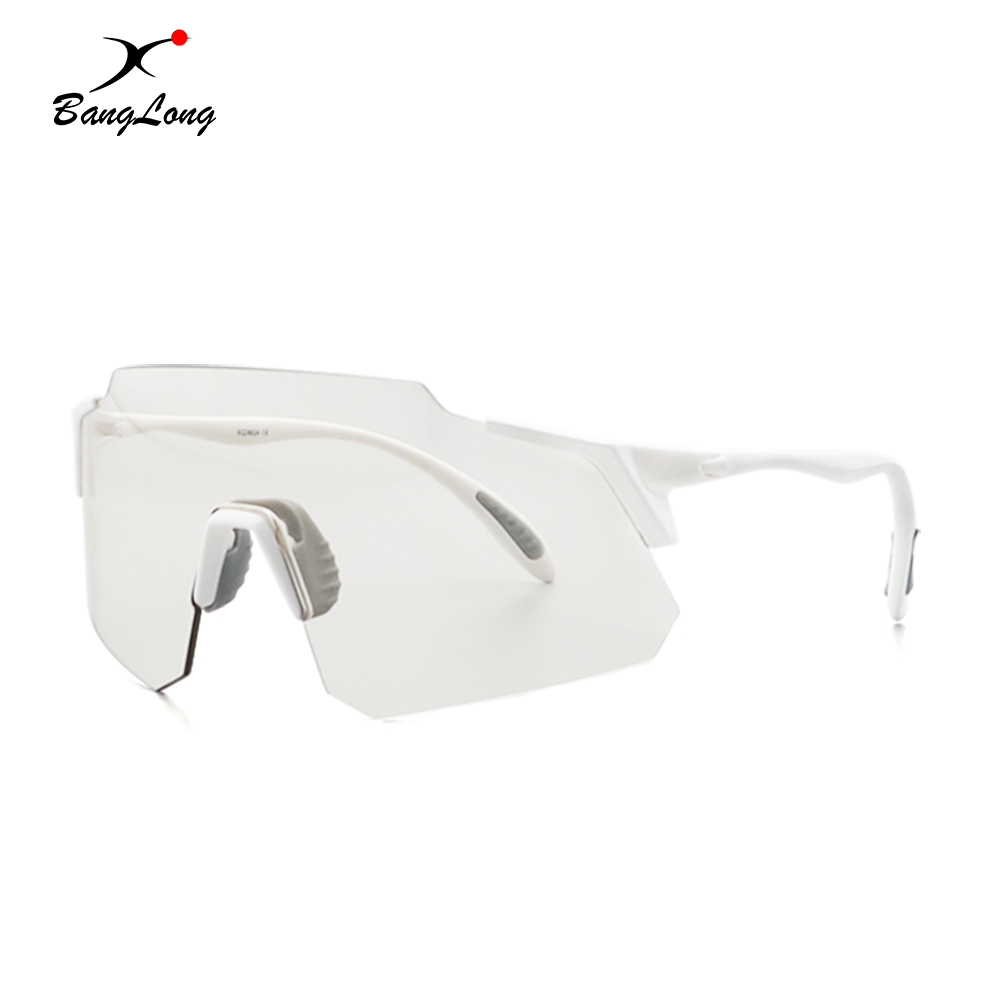
Our core evaluation dimension here centers on visual clarity. We also look heavily at eye fatigue reduction in consistently high-glare environments. These lenses act as armor against relentless sunlight.
The primary advantage involves eliminating blinding reflections. Urban runners constantly face glare off pavement and glass buildings. Coastal runners deal with intense reflections off ocean water. Polarized Running Sunglasses intercept this scattered light effortlessly. Furthermore, they drastically reduce squinting. Squinting correlates directly with facial tension. Over long distances, holding tension in your face causes systemic physical fatigue. Marathons demand strict energy conservation. Relaxing your facial muscles actively saves energy for your legs.
The Depth Perception Penalty: Polarization physically removes subtle light reflections. Human eyes rely on these micro-reflections to gauge depth accurately. You need this visual feedback to spot tree roots, jagged rocks, and uneven dirt. Flattened depth perception on shaded trails causes dangerous trips and falls.
Digital Screen Distortion: You might struggle to read your GPS watch. Phone screens also become problematic. Polarizing filters clash with standard digital displays. They often make screens look entirely black at specific viewing angles.
Shortlisting Logic: Choose this technology if 80% or more of your miles occur on paved roads. Track workouts and coastal paths in bright daylight also fit this profile perfectly.
Our core evaluation dimension for this category focuses on pure adaptability. You want uninterrupted vision across wildly fluctuating light conditions. These lenses adapt to the environment so you do not have to.
They offer incredible utility. You get a "one lens rules them all" solution. Long endurance events often start hours before sunrise. They conclude in the brutal midday sun. Changing physical lenses midway wastes valuable time. Furthermore, they excel at maintaining vital depth perception. They preserve high contrast when you weave in and out of dense tree canopies. You can safely navigate technical terrain without losing visual acuity.
The Transition Lag: Watch out for sudden lighting shifts. Moving rapidly from a bright exposed ridge into a dark forest creates issues. You experience a temporary blindness effect. The lens simply takes time to clear. You must slow your pace during this 60-second window.
Car and Driving Limitation: These lenses fail to transition well inside a vehicle. Standard car windshields naturally block UV light. The reactive molecules never receive the signal to activate. Therefore, they remain entirely clear during your sunny post-run drive home.
Shortlisting Logic: Choose this option if you consider yourself a dedicated trail runner. Ultra-marathoners and athletes who routinely train during dawn or dusk transitions should also prioritize this technology.
We must also examine exterior coatings. Exterior treatments interact directly with core lens technologies to enhance performance. They provide an excellent solution category extension.
Multi-layer mirrored coatings actively reflect ambient light. They bounce harsh rays away from your eyes before the light ever penetrates the lens. REVO Running Sunglasses utilize advanced aerospace-grade versions of this technology. These mirrored finishes effectively lower your overall Visible Light Transmission (VLT). They accomplish this independently of any polarization or photochromic state.
They perform exceptionally well during high-altitude mountain running. Snow environments also demand this technology due to magnified UV intensity. Glare bounces off the snow from every conceivable direction. The outcome is highly beneficial. Mirrored coatings add a powerful layer of protection. They enhance terrain contrast without demanding full polarization. You achieve maximum optical defense while fully preserving your crucial depth perception.
Athletes need a structured decision framework for quick evaluation. Below is our comprehensive terrain evaluation matrix. Use it to instantly map your environment to the correct optical technology.
Terrain Evaluation Matrix
Training Environment | Winning Technology | Primary Reason |
|---|---|---|
Urban & Road Running (Midday) | Polarized | Asphalt glare acts as the primary adversary. You must block horizontal light bouncing off flat urban surfaces. |
Technical Trail Running (Variable Cover) | Photochromic (Rose/Amber Base) | Contrast and depth perception remain critical for ankle safety. Ambient glare under tree canopies is naturally minimal. |
Dawn Patrol / Dusk Commutes | Photochromic | Runners need near-clear lenses in the pre-dawn dark. These lenses adjust seamlessly as the sun finally rises. |
Alpine / Snow Running | Polarized + Mirrored/REVO | You demand maximum protection against intense, multi-directional glare reflecting off bright white snowfields. |
We must establish holistic evaluation criteria. Do not waste excellent lens technology on a poorly designed frame. A premium lens means nothing if the frame bounces, slides, or heavily fogs during a crucial workout segment.
Target frame weights should ideally stay under 30 grams. Center-of-gravity considerations prevent frustrating micro-bouncing. Every time your foot strikes the ground, an impact force travels upward. A poorly balanced frame will constantly slide down your nose. You want a lightweight wrap design holding close to your face.
Look specifically for hydrophilic rubber nose and temple pads. These engineered materials possess a unique quality. They actually grip tighter as you sweat. They lock the frame securely in place during intense interval sessions. Your Running Sunglasses must stay perfectly secure without causing painful pressure points behind your ears.
Aerodynamic cutouts allow cool airflow behind the lens. Anti-fog inner coatings actively prevent moisture buildup. Your face generates immense heat on long climbs. Warm face temperatures combined with cool outside air create instant condensation. Proper ventilation proves crucial for photochromic lenses. They must perform flawlessly during sweaty, high-humidity ascents.
We must reiterate one absolute truth regarding athletic eyewear. There is no absolute overall winner. You just need the right optical tool for your specific route. Every runner requires a tailored approach based on their daily mileage profile.
Take a quick audit of your last month of running routes. Note the exact time of day and your primary surface types.
Let this personal training data dictate your upcoming purchase decision rather than brand hype.
Always check warranty policies and return periods before finalizing a purchase.
Lens base tint and chemical transition speeds feel highly subjective. You should test them thoroughly on a familiar running route.
A: Yes, though they remain premium-priced and somewhat rare. Manufacturers occasionally combine both technologies into a single lens. However, you must remember the terrain rules. They still carry the depth-perception drawbacks inherent to polarization. Using them on heavily shaded technical trails can still flatten your view and hide dangerous trip hazards.
A: Transition capabilities slowly degrade over time. You can typically expect two to three years of heavy UV exposure before noticing changes. After this period, the transition range gradually narrows. The lenses will not get quite as dark in the bright sun. They will also fail to turn completely clear in the dark.
A: They can be highly problematic. They create a dangerous shadow flattening effect on technical terrain. Polarization removes the subtle light reflections your brain uses to measure depth. This optical flattening makes it much harder to spot slippery roots, jagged rocks, and minor trip hazards quickly under dense tree canopies.
A: VLT stands for Visible Light Transmission. It measures the precise percentage of light passing through the lens to your eye. Lower numbers indicate significantly darker lenses. We recommend 10% to 15% VLT for consistently bright midday sun. For variable trail use, look for a flexible 15% to 45% VLT range.


