

T: +86-20-86973099
E: sales@xqglasses.com
E: sales@xqglasses.com
NO.3, Yongfu Road, Sandong Avenue West, Huadu District, Guangzhou City, Guangdong Province, China
Views: 0 Author: Site Editor Publish Time: 2026-08-17 Origin: Site


Running 26.2 miles demands extreme physical preparation. Your gear selection plays an equally vital role. Every piece of equipment must justify its presence during a three-to-five-hour endurance event. Eyewear is no exception. Yet, many runners mistakenly treat it as a mere fashion accessory.
The core dilemma lies in athlete skepticism. You want to protect your eyes from harsh elements. However, you likely fear bouncing frames, unexpected fogging, and painful chafing late in the race. Balancing vital eye protection against these potential physical distractions creates a tough decision for marathoners.
This guide provides an objective framework. It will help you determine if you truly need eyewear for your specific race. We will examine essential features and structural requirements. You will learn exactly how to evaluate frames and lenses. They must perform perfectly straight through mile 18.
Wearing running sunglasses reduces systemic fatigue caused by prolonged squinting and facial tension.
Poorly fitted eyewear is worse than no eyewear; hydro-grip materials and frame weight are non-negotiable evaluation metrics.
Race-day environment dictates lens choice—mirrored running sunglasses for exposed tarmac, photochromic for variable/cloudy conditions.
True UV400 running sunglasses are essential to prevent long-term ocular damage from cumulative UV exposure during high-mileage training blocks.
The primary goal of any marathon gear is total invisibility. Your equipment should perform its designated function flawlessly. It must never require conscious adjustment. High-quality Running Sunglasses serve a functional purpose far beyond aesthetics. They act as a critical environmental defense mechanism. You need a shield against invisible threats. These include UV rays, high-speed wind, swirling dust, and erratic race-course debris.
One major advantage is the prevention of squint fatigue. When you run under bright sunlight, your facial muscles naturally contract. You squint to limit light exposure. This constant muscle tension forces your brain to register higher perceived exertion. Relaxing your face conserves valuable mental and physical energy. You can redirect this saved energy into maintaining your race pace.
However, implementation realities present valid concerns. We must acknowledge the drawbacks of wearing glasses during long events. Lens fogging remains a prominent issue. You often experience this at crowded aid stations. High-humidity races also trigger severe condensation. Sweat pooling poses another significant challenge. Drops can accumulate on the inside of the lens. This blurs your vision exactly when you need it most.
Pressure headaches introduce another risk. Rigid frame arms clamp down on your skull. Over three or four hours, this creates intense discomfort. You might feel a throbbing sensation near your temples. Understanding these pros and cons helps you make an informed decision. You can weigh environmental protection against physical comfort.
Medical experts emphasize the invisible threat of ultraviolet radiation. Runners spend countless hours outdoors during training blocks. This long-distance exposure carries severe consequences. UV rays penetrate deeply into ocular tissues. They cause cumulative damage over time. You might not feel it immediately, but the risks remain real.
Investing in UV400 Running Sunglasses is non-negotiable. Full 100% UVA and UVB protection serves as a baseline standard. It is never merely a premium upgrade. Prolonged UV exposure leads to conditions like photokeratitis. This acts like a painful sunburn on your corneas. Over years of running, unprotected exposure also accelerates cataract formation. You must prioritize your long-term vision health.
Many runners believe a standard hat provides sufficient protection. This assumption ignores the tarmac effect. Road surfaces reflect massive amounts of sunlight upward. The glare bounces off the asphalt. It travels directly under the brim of your hat or visor. It strikes your eyes from below.
A hat blocks direct overhead sunlight perfectly. However, it fails completely against reflected glare. You encounter this constantly during road marathons. Bare pavement acts like a giant mirror. It amplifies the harshness of the midday sun. Quality eyewear intercepts this upward glare. It protects your eyes from angles a hat simply cannot cover.
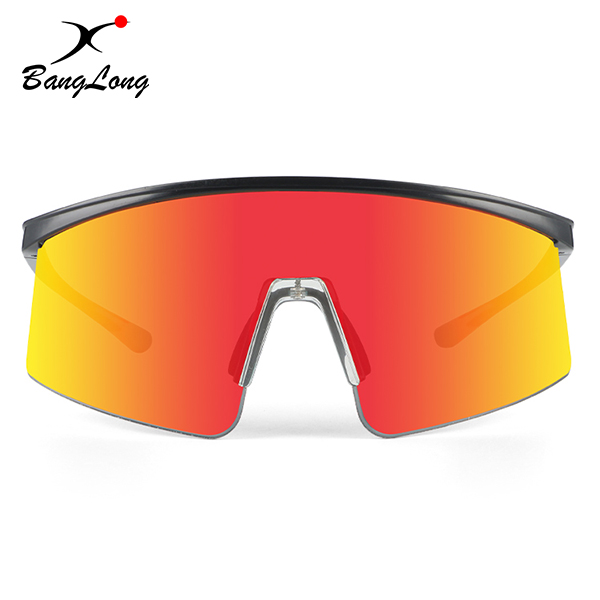
Marathon gear demands specific material properties. Weight and flexibility stand out as crucial metrics. You need materials capable of scaling across long distances. TR90 nylon dominates the performance eyewear market. It provides exceptional durability alongside incredible flexibility. This allows the frames to bend slightly. They conform to your head shape naturally.
You must prioritize Lightweight Running Sunglasses for endurance events. Optimal frames weigh under 30 grams. Heavy glasses press down harshly. They cause severe nasal bridge fatigue. After twenty miles, even a few extra grams feel painfully heavy. Reducing weight minimizes this distraction entirely.
Grip and retention dictate your comfort level. You will sweat heavily during a marathon. Standard plastic slips down your nose immediately. You must evaluate the hydrophilic rubber components. Manufacturers use this material for nose pads and temple grips. Hydrophilic rubber absorbs moisture actively. It actually increases traction as you sweat. This keeps the frames locked securely in place.
Optical clarity and field of vision also matter greatly. Frame construction affects how much you can see. Rims can obstruct your peripheral vision. You need clear sightlines when navigating crowded water stations. Checking your blind spots prevents collisions with other runners.
Frame Design | Primary Benefit | Main Drawback | Ideal Race Scenario |
|---|---|---|---|
Frameless / Rimless | Maximum peripheral vision and ultra-lightweight feel. | Lenses are more exposed to scratching if dropped. | Crowded urban marathons needing frequent blind-spot checks. |
Half-Frame | Excellent lower visibility for spotting uneven pavement. | Top bar can trap sweat against the eyebrows. | Trail races or roads with varied, unpredictable surfaces. |
Full-Frame | Maximum durability and structural rigidity. | Thicker rims block edge visibility and increase weight. | High-debris environments where ultimate protection is required. |
Race day weather changes rapidly. Your lens choice must match the specific environment. Variable conditions require adaptable technology. Many marathons feature early morning starts. You begin running in the dark or under dense clouds. Photochromic lenses solve this problem beautifully. They transition automatically from clear to dark. They adapt seamlessly as the sun rises over the course.
High glare environments demand different solutions. Exposed coastal routes or mid-summer races feature brutal sunlight. You should choose Mirrored Running Sunglasses for these days. The mirror coating reflects harsh light away from your eyes. It dramatically reduces light transmission. This keeps your eyes relaxed under the brightest skies.
Polarized lenses offer another glare-reduction option. However, runners must approach polarization with caution. It cuts glare effectively near water. Yet, it creates a unique hazard on asphalt. Polarization flattens your depth perception slightly. It makes it harder to spot slick wet patches. You might miss an uneven pothole hiding in the shadows.
Lens tint profiles alter how you see the course. Consider these options before race day:
Rose and Copper Tints: These enhance visual contrast significantly. They highlight variations in the road surface. Use them for overcast days or shaded trail sections.
Grey and Black Tints: These provide true color perception. They reduce overall brightness without distorting natural colors. Choose them for bright, cloudless, full-sun conditions.
Clear or Yellow Tints: These maximize light transmission. They brighten dark environments. Wear them for pre-dawn starts or heavy rain.
The true test of any gear happens late in the race. Mile 18 strips away all your energy reserves. Small annoyances suddenly become overwhelming distractions. You must assess implementation risks long before reaching this point. Sweat management stands as the primary challenge.
Your body heat often outpaces available airflow. This temperature differential causes instant fogging. You experience this during steep climbs when your pace drops. It also happens when you stop briefly at porta-potties. You must evaluate lens ventilation. Look for small cut-outs near the top or sides of the lens. These vents pull fresh air inside. They mitigate condensation effectively.
Pressure points ruin countless marathon experiences. Stiff plastic arms squeeze your head relentlessly. This constricts local blood flow over several hours. The risk of temporal headaches increases dramatically. You might also feel intense pain behind your ears. This area is called the mastoid process. Frames must flex easily to prevent this targeted pressure.
The storage problem creates another logistical headache. Sometimes, you just need to take the glasses off. The weather might change abruptly. You must assess how well the glasses store on your person. Try resting them securely on your head. Test hanging them from your shirt collar. They must remain stable without bouncing away. Dropping expensive gear at mile 20 breaks your race focus entirely.
You need a strict vetting process. Buying glasses the week of the race invites disaster. You must apply systematic logic to your final selection. Adhere strictly to the long run test. Never wear new sunglasses on race day. This golden rule prevents unexpected chafing and headaches. You must execute mandatory testing protocols. Wear your chosen pair during a 15-mile training run. This exposes any hidden flaws.
Understand the difference between budget and value. Cheap gas-station glasses seem appealing. However, they use inferior plastics. They bounce aggressively with every stride. Worse, they lack optical clarity. Minor lens distortions cause subtle dizziness over time. Performance optics justify their price. They protect your eyes while maintaining perfect visual accuracy.
Follow a strict physical fit checklist before purchasing. Ensure the frames integrate seamlessly with your unique facial structure:
Perform the shake test: Nod your head aggressively up and down. Shake it side to side. The frames should not slide down your nose at all.
Check cheek clearance: Smile broadly and grimace. Your cheeks move upward when you do this. The bottom edges of the lenses should never rest against your skin. This prevents sweat transfer.
Verify headwear compatibility: Put on your favorite running hat or visor. Slide the glasses on next. The frame arms must not interfere with the hat. They should slide smoothly underneath without pushing into your temples.
The decision to wear eyewear during a marathon requires careful consideration. For the vast majority of runners, the benefits strongly outweigh the drawbacks. The energy conservation achieved by eliminating squint fatigue proves invaluable. High-quality frames shield your eyes from debris, wind, and cumulative UV damage. However, this holds true only if you vet the equipment strictly.
Poorly fitted glasses will actively sabotage your race. You must prioritize lightweight flexibility and hydrophilic grip. Avoid cheap lenses causing optical distortion. We strongly encourage you to assess your target race's weather profile today. A clear sky in Chicago demands a different setup than a cloudy morning in London. Let the course environment dictate your immediate lens and frame selection. Choose wisely, test thoroughly, and run your best race.
A: Hats block direct overhead sunlight effectively. However, they fail to protect against surface glare. Tarmac intensely reflects UV rays upward, bypassing the hat's brim entirely. Visors also cannot shield your eyes from high-speed wind, swirling dust, or errant course debris. Eyewear offers complete multi-directional protection.
A: Fogging occurs due to the temperature differential between your hot face and cooler ambient air. When your pace slows, heat outpaces airflow. To stop it, choose lenses featuring physical ventilation cut-outs. Apply anti-fog coatings regularly. During water stops, simply pull the glasses slightly down your nose to vent trapped heat.
A: It depends on the environment. Polarized lenses are fantastic for reducing harsh glare near water or on highly reflective surfaces. However, they potentially flatten depth perception on asphalt. This makes it significantly harder to spot slick wet spots, minor potholes, or uneven pavement on shaded roads.
A: Yes, many sports brands accommodate prescriptions. You can order direct-glaze prescription lenses built right into the frame. Alternatively, some models use optical inserts that snap securely behind the primary shield. Keep in mind, adding prescription glass slightly increases the overall frame weight, so test them on long runs.


