

T: +86-20-86973099
E: sales@xqglasses.com
E: sales@xqglasses.com
NO.3, Yongfu Road, Sandong Avenue West, Huadu District, Guangzhou City, Guangdong Province, China
Views: 0 Author: Site Editor Publish Time: 2026-08-26 Origin: Site


Parents face a tough dilemma every baseball season. You must balance vital eye safety, on-field performance, and the harsh reality that kids wreck gear constantly. Proper athletic eyewear performs two crucial jobs simultaneously. First, it protects delicate eyes from harmful UV rays and violent physical impacts. Second, it enhances visual contrast, helping players track high pop-ups against blinding summer skies.
Standard fashion frames completely fail in these areas. In fact, everyday fashion sunglasses create a serious safety hazard on the baseball diamond. Cheap plastic lenses can shatter upon impact, causing more harm than wearing no glasses at all. This comprehensive guide evaluates purpose-built athletic eyewear. We will examine critical factors like impact safety, frame retention, and optical clarity. You will learn exactly how to choose the right gear to keep your young athlete safe, comfortable, and confident on the field.
Prioritize shatterproof polycarbonate lenses over standard plastics to prevent severe eye injuries from bad hops or errant throws.
Look for rose, amber, or copper lens tints—these enhance the contrast of a white baseball against blue skies and dirt.
Avoid buying "room to grow" frames; a secure, wrap-around fit with rubberized nose and temple grips is non-negotiable for helmet compatibility and sprinting.
Standard polarization is often unnecessary and can sometimes distort depth perception for baseball players; focus instead on 100% UVA/UVB protection (UV400).
Many parents mistakenly send their children to practice wearing cheap fashion sunglasses. This creates an invisible but severe safety gap. Standard fashion lenses use basic acrylic or cheap plastics. These materials easily shatter upon impact from a fast-moving baseball or an errant bat. If a ball takes a bad hop and strikes the face, shattered plastic can cause catastrophic eye injuries. Wearing fragile eyewear is undeniably more dangerous than wearing nothing at all. Purpose-built sports glasses use polycarbonate, a material designed to flex and absorb kinetic energy rather than splinter into sharp fragments.
Baseball requires explosive movements. Players sprint to first base, dive for grounders, and quickly snap their heads to track fly balls. Standard frames lack the engineered grip required to survive these motions. They slide down the nose the moment a child starts sweating. Quality athletic frames utilize hydrophilic rubber grips on the nose pads and temple arms. This specialized rubber actually increases its tackiness when exposed to moisture. It keeps the frames securely locked onto the face during a sweaty summer sprint.
Lifestyle sunglasses feature thick, rigid temple arms designed for fashion rather than function. When a player slides a tight batting helmet over these rigid arms, they create painful pressure points against the skull. This discomfort leads to headaches and frustration. Consequently, kids will simply take the glasses off mid-game and toss them in the dugout. High-performance baseball sunglasses feature ultra-thin, flexible temple arms. They slide smoothly under snug batting helmets without digging into the side of the head.
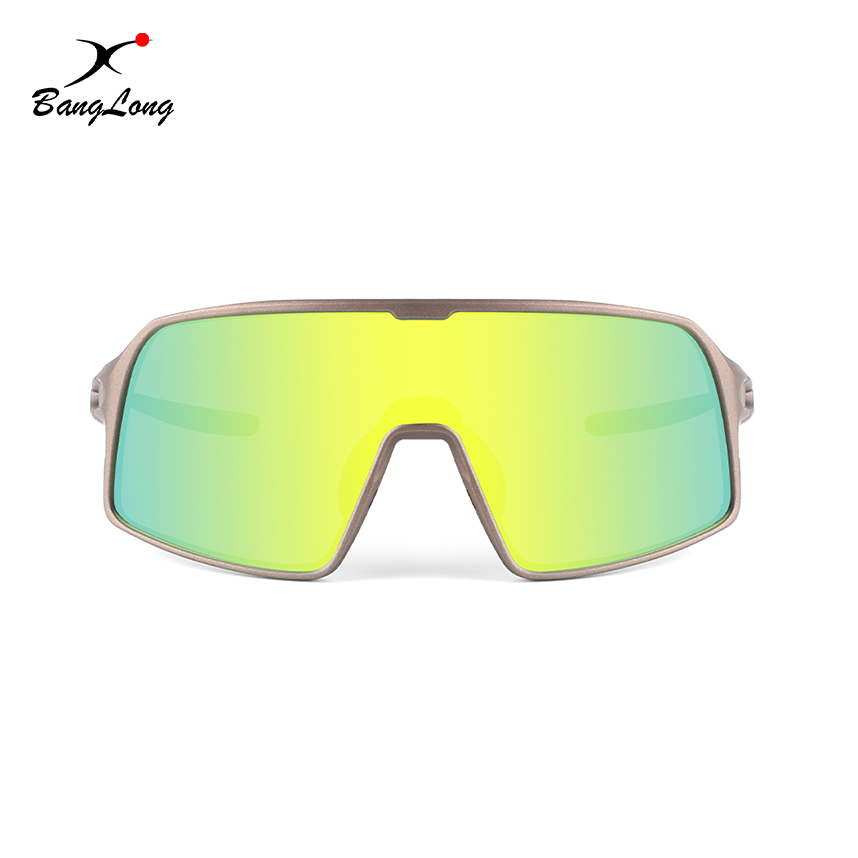
Safety always dictates your first purchasing decision. You must require frames and lenses that carry an ANSI Z87.1 impact rating. The American National Standards Institute (ANSI) sets this rigorous benchmark for industrial and athletic safety. Glasses meeting this standard undergo high-mass and high-velocity impact testing. Polycarbonate lenses easily pass these tests. They offer ten times the impact resistance of standard plastics. Never compromise on this specification when evaluating gear for your child.
Lens color serves a highly functional purpose on the baseball field. Dark grey or black lenses simply darken the entire visual field. This makes it harder for a batter to pick up the spin of an incoming pitch. Instead, look for amber, copper, or rose performance tints. These colors actively block blue light. By filtering out the blue spectrum, amber lenses make the bright white leather and red stitches of a baseball pop vividly against a blue sky or brown dirt infield. This enhanced contrast drastically improves a player's reaction time.
Youth travel baseball often involves weekend tournaments requiring long hours under a blistering sun. Extended exposure to ultraviolet radiation causes cumulative damage to the eyes. You need guaranteed protection. Searching for reliable UV400 kids sunglasses ensures your child receives 100% UVA and UVB blockage. The "400" indicates the lenses block all light rays with wavelengths up to 400 nanometers. This compliance is a non-negotiable health necessity for any outdoor athlete.
Baseball requires excellent peripheral vision. A base-curve design, commonly known as a wrap-around frame, contours closely to the natural curve of the face. This curvature provides crucial side protection from wind, dust, and stray glare. More importantly, it extends the lens coverage horizontally. Standard flat frames create blind spots where the thick frame rims interrupt the line of sight. Wrap-around designs eliminate these blind spots, allowing an infielder to see a runner stealing second base out of the corner of their eye.
Older, highly competitive youth players demand maximum performance. Outfielders frequently stare directly into the sun while tracking high fly balls. Performance wraparounds offer the most aggressive lens coverage available. They typically feature interchangeable lenses, allowing players to swap between amber for cloudy days and dark rose for bright afternoons. These frames prioritize maximum field of view and advanced lens clarity. They represent a higher investment but deliver unmatched functional benefits for serious players.
Players who wear everyday glasses face a unique challenge. You cannot squeeze a batting helmet over standard wire-rimmed glasses safely. Prescription-ready (Rx) sports frames solve this issue safely and effectively. You must utilize specialized optical vendors to build sport-safe Rx inserts into shatterproof polycarbonate frames. Avoid online retailers who insert standard acrylic prescription lenses into sports frames. The frame might survive an impact, but the non-compliant Rx lens inside could still shatter.
Younger players in T-ball or Coach Pitch leagues notoriously lose or break their equipment. For these age groups, investing in premium lens technology makes little sense. Instead, focus strictly on safety and UV protection. Opt for budget-friendly basics made from flexible materials like TR90 memory plastic. These frames bend rather than snap when stepped on in the dugout. A reliable pair of children baseball sunglasses provides essential impact resistance without the hefty price tag associated with elite travel ball gear.
Proper fit guarantees consistent use. You should always conduct the "Helmet Fit" test before finalizing a purchase. Follow these simple steps:
Ask the child to put on their baseball cap and slide the sunglasses onto their face.
Ensure the brim of the hat does not push down on the top edge of the frames.
Have the child put on their batting helmet over the sunglasses and hat.
Check the temple arms. If the helmet forces the arms into the side of the head, the frames are too thick.
Ask the child if they feel any pinching behind the ears. If they do, try a frame with thinner, straighter temple tips.
Security is just as vital as comfort. To verify nose-bridge security and temple grip, use this practical method:
Have the child wear the glasses normally.
Ask them to look directly down at their shoes.
Instruct them to shake their head vigorously from side to side.
If the glasses slide down the nose or fall off entirely, they are too loose.
The frames pass the test if they remain firmly in place without requiring manual adjustment.
Kids inherently hate uncomfortable gear. If they feel silly or restricted, they will refuse to wear it. You can overcome this adoption friction by prioritizing lightweight frames. Heavy glasses cause fatigue over a two-hour game. Furthermore, allow the child to choose the frame color. When kids select a neon green or bright red frame that matches their team colors, they take ownership of the gear. They view excellent kids baseball sunglasses as a cool professional accessory rather than an annoying parental requirement.
Many parents mistakenly believe polarized lenses represent the highest quality eyewear for all situations. Polarization works incredibly well for fishing or skiing because it cuts horizontal glare off water and snow. However, it often flattens depth perception on the baseball field. A baseball player needs distinct depth perception to judge the exact distance and speed of a moving ball. Non-polarized, contrast-enhancing lenses provide a clearer, more accurate read on a sinking line drive. Do not pay extra for polarization on the diamond.
The "they will grow into it" mindset works fine for oversized practice jerseys. It fails completely with protective eyewear. Loose glasses become an immediate distraction. If a child constantly pushes sliding frames back up their nose, their focus shifts away from the pitcher. This degrades their performance and introduces safety risks. High-quality kids sports sunglasses must fit snugly today, not next season.
Humid summer tournaments create tough conditions for eyewear. When a hot, sweaty player stands perfectly still in the outfield, body heat rises into the glasses. Lenses without proper ventilation will fog up instantly, blinding the player. Look for frames featuring small ventilation cutouts along the top edge of the lens. Additionally, seek out lenses treated with an anti-fog coating. These features ensure clear vision during the muggiest July doubleheaders.
To simplify your shopping process, use the following framework to align your child's age with their specific equipment needs.
Age Group | Primary Focus | Recommended Frame Style | Key Features to Look For |
|---|---|---|---|
Ages 5-8 (T-Ball/Coach Pitch) | Durability & Cost | Flexible TR90 Basics | Shatterproof poly, basic UV400, bright colors. |
Ages 9-12 (Travel Ball) | Contrast & Helmet Fit | Aggressive Wraparounds | Amber/Rose tints, ultra-thin temples, rubber grips. |
At this stage, players learn fundamental skills. Focus strictly on durability, highly flexible frames, and low cost. Kids drop their gear in the dirt, step on it in the dugout, and leave it on the bench. Purchase basic shatterproof protection that won't ruin your budget if lost.
As the game speeds up, visual performance matters immensely. Shift your focus to contrast-enhancing lenses that help batters pick up pitch rotations faster. Strict helmet-compatible wrap frames become mandatory here, as players face faster pitching and hit harder line drives.
Before you place an order, measure your child's face. Use a flexible tape measure to determine the distance from temple to temple in millimeters. Compare this measurement against manufacturer sizing charts. If you buy online, seek out a dedicated retailer specializing in youth baseball eyewear. Ensure they offer a generous return policy so you can perform the helmet fit test at home.
The right pair of baseball sunglasses functions as essential protective equipment first, and a performance-enhancing tool second.
Never compromise on shatterproof polycarbonate lenses and 100% UV400 protection.
Amber and copper tints significantly out-perform standard grey lenses by highlighting the white ball against the sky.
Fit ultimately dictates function. If the glasses aren't comfortable under a hat and batting helmet, they will inevitably stay left behind in the gear bag.
Investing time to find the correct fit ensures your young athlete steps into the batter's box with confidence, clear vision, and total eye protection.
A: No. Contrast-enhancing, non-polarized lenses are usually preferred for baseball. Polarization flattens optical depth perception, making it noticeably harder for players to judge the exact distance and speed of a moving ball.
A: Yes, absolutely. However, the frame must feature straight, ultra-thin, and highly flexible temple arms specifically designed for helmet compatibility. Thick lifestyle frames will cause painful pressure points.
A: Never wipe lenses with a dusty jersey or rough paper towel. Always rinse away abrasive field dirt with mild soap and warm water first, then dry them gently using a clean microfiber pouch.
A: Yes. Specialized optical vendors can build customized Rx lenses directly into shatterproof polycarbonate sports frames. Always use a dedicated sports optician to ensure the prescription inserts meet impact safety standards.


