

T: +86-20-86973099
E: sales@xqglasses.com
E: sales@xqglasses.com
NO.3, Yongfu Road, Sandong Avenue West, Huadu District, Guangzhou City, Guangdong Province, China
Views: 0 Author: Site Editor Publish Time: 2026-06-08 Origin: Site


Do you know why cycling sunglasses are a must-have for every rider? Without them, your eyes face wind, dust, and harmful UV rays. In this post, you’ll learn what to look for in cycling sunglasses to boost protection, comfort, and performance on every ride.
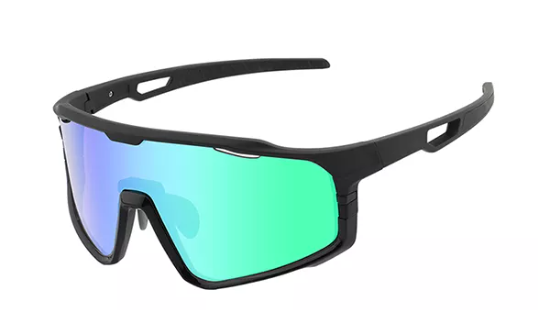
When selecting cycling sunglasses, several key features determine how well they protect your eyes and enhance your ride. Understanding these features helps you choose the right pair, whether you prefer cycling sunglasses with interchangeable lenses or options like cycling sunglasses with prescription inserts.
The lens is the heart of any cycling sunglasses. Different lens types affect your vision and safety in various conditions:
Photochromic lenses adjust tint automatically, ideal for changing light. They are among the best photochromic cycling glasses, adapting from light to dark seamlessly.
Polarized lenses reduce glare from reflective surfaces like wet roads, improving comfort on sunny days. Polarized cycling sunglasses are excellent for reducing eye strain.
Clear cycling glasses are perfect for night riding or low-light conditions, protecting your eyes without darkening vision.
Mirrored lenses add glare reduction and a stylish look while enhancing UV protection.
Look for frames that offer ample coverage to shield your eyes from wind, dust, and debris. Wraparound frames are popular for this reason, providing peripheral protection without sacrificing vision. Full-frame designs offer durability and lens security, while frameless models are lighter and more aerodynamic. For mountain biking or downhill, goggle-style sunglasses provide extra protection.
Cycling glasses must stay put during vigorous rides. Features such as adjustable nose pads and temple tips ensure a secure fit. Models designed specifically for cycling often have grippy rubber on contact points to prevent slippage, especially important for cycling glasses for men and cycling glasses for women alike. A snug fit reduces distractions and enhances comfort on rough terrain.
All quality cycling sunglasses should block 100% of UVA and UVB rays. Prolonged exposure to UV rays can cause serious eye damage. This protection remains critical regardless of lens color or tint, so always check for full UV protection when shopping.
Fogging can be a major issue, especially during intense efforts or in humid conditions. Sunglasses with built-in ventilation channels or anti-fog coatings help maintain clear vision. Some models also include hydrophobic coatings that repel water, keeping lenses clear in rain or sweat.
Cycling sunglasses must endure impacts, vibrations, and rough handling. Look for frames made from durable yet lightweight materials like polycarbonate or titanium. Impact-resistant lenses are safer and longer-lasting. Affordable cycling glasses often balance cost and durability, but cheap cycling glasses may lack essential features and protection.
Beyond basic protection, many cycling sunglasses come with advanced coatings:
Anti-scratch coatings extend lens life.
Hydrophobic coatings keep lenses dry.
Mirror coatings reduce glare and add style.
Interchangeable lenses allow quick adaptation to weather changes, making cycling sunglasses with interchangeable lenses a versatile choice.
For those needing vision correction, cycling sunglasses with prescription inserts or cycling sunglasses with readers offer tailored solutions without sacrificing performance.
Selecting the right lenses is crucial for cycling sunglasses, as they directly affect your vision, safety, and comfort on the road or trail. Let's explore the key aspects to consider when choosing lenses for your cycling sunglasses.
Lenses are classified by their Visible Light Transmission (VLT), which indicates how much light passes through the lens. This is expressed as a percentage: the lower the VLT, the darker the lens, suitable for bright conditions. Higher VLT lenses are lighter and better for low-light or night riding.
Lens Category | Light Conditions | VLT (%) |
0–1 | Low light or overcast | 43–100% |
2 | Variable conditions | 18–43% |
3 | Bright sun | 8–18% |
4 | Very bright | 3–8% |
For most cycling, category 2 or 3 lenses work well. Clear cycling glasses (category 0 or 1) are ideal for night riding or foggy days, ensuring eye protection without darkening vision.
Photochromic lenses automatically adjust their tint based on ambient light. These lenses darken in bright sunshine and lighten in shade or cloud cover, making them among the best photochromic cycling glasses for riders facing changing weather or light conditions. They eliminate the need to carry multiple lenses or swap them mid-ride.
Polarized cycling sunglasses reduce glare from reflective surfaces like wet roads or water, enhancing comfort and reducing eye strain on sunny days. However, polarized lenses can sometimes reduce depth perception in wooded or uneven terrain, where non-polarized lenses might be preferred. If you often ride in bright, reflective environments, polarized lenses are a great choice.
Lens color impacts how you perceive contrast and depth, which is vital for spotting obstacles:
Grey lenses reduce brightness without distorting colors, good for general use.
Brown or amber lenses enhance contrast, helpful in variable light or foggy conditions.
Yellow lenses brighten vision in low-light or overcast weather.
Mirrored lenses reflect sunlight, reducing glare and adding style, common in cycling sunglasses with mirror coatings.
Choosing the right color depends on your typical riding environment and personal preference.
Durability and clarity are enhanced by lens coatings:
Scratch-resistant coatings protect lenses from abrasions, extending their lifespan.
Hydrophobic coatings repel water and sweat, keeping vision clear in rain or during intense rides.
Anti-fog treatments prevent condensation buildup, especially useful for cycling glasses for men and women who ride in humid or cold conditions.
These coatings improve performance and comfort, even in challenging weather.
Choosing the right frame style is crucial for cycling sunglasses. The frame not only holds the lenses but also affects comfort, protection, and compatibility with your cycling gear. Here’s a breakdown of popular frame styles and their best uses.
Wraparound frames are a top choice for many cyclists. They curve around your face, offering extensive coverage that shields your eyes from wind, dust, and debris. This design minimizes gaps where particles can enter, making them ideal for road cyclists and mountain bikers alike. If you seek cycling sunglasses with mirror coatings or polarized lenses, wraparound frames often enhance peripheral vision while maintaining protection.
Full-Frame SunglassesThese frames fully encircle the lenses, providing robust support and durability. They tend to be more impact-resistant, which is beneficial for rough terrain or aggressive riding styles. Full-frame cycling glasses for men and women often offer a secure fit and better lens protection but may weigh a bit more.
Frameless SunglassesFrameless or semi-rimless designs reduce weight and improve aerodynamics. They offer a minimalist look and often better airflow, reducing fogging. However, they might be less durable and offer slightly less protection against debris. These are popular among road cyclists prioritizing speed and lightweight gear.
For extreme off-road cycling, goggle-style sunglasses provide superior protection. They cover a larger area around the eyes and often include foam padding for comfort and to block out dust. These are especially useful for downhill riders who face higher speeds and more airborne debris. Many models are compatible with helmets and feature anti-fog coatings, making them essential for challenging trail conditions.
A critical factor is how well your cycling sunglasses fit with your helmet. Frames with straight-back temples usually fit snugly under helmet straps without causing pressure points. Some cycling sunglasses mens and cycling sunglasses womens models include adjustable nose pads and temple tips for a customized fit. Trying sunglasses on with your helmet ensures comfort and prevents slipping during rides.
Achieving the right fit and comfort in cycling sunglasses is crucial for a distraction-free ride. Whether you prefer cycling glasses for men or cycling glasses for women, the fit must be secure to prevent slippage during high-speed or rough terrain cycling.
A secure fit keeps your cycling sunglasses firmly in place, even on bumpy trails or fast descents. Look for features like grippy rubber on the nose pads and temple tips. These materials help the glasses adhere to your skin, reducing the chance they’ll slide down your nose or bounce while you ride. This is especially important for cycling sunglasses mens and womens models, as the fit can differ by face shape.
Adjustability is key for a personalized fit. Many cycling sunglasses come with adjustable nose pads and temple tips, allowing you to tailor the frame to your face. This customization helps accommodate various face shapes, including the best cycling sunglasses for small faces. Adjustable components also improve comfort by reducing pressure points and preventing discomfort during long rides.
Good cycling sunglasses offer ample coverage to protect your eyes from wind and debris, but they must also allow airflow to prevent fogging. Frames that sit slightly away from your face create space for air to circulate, reducing condensation buildup. Some models include ventilation channels or anti-fog coatings, which are especially beneficial if you use cycling glasses for night riding or in humid conditions.
Helmet compatibility is a critical factor for fit and comfort. Sunglasses with straight-back temples often fit better under helmet straps without causing pressure points. Before buying, try your cycling sunglasses with your helmet on and mimic your riding posture. This ensures the glasses won’t interfere with your helmet or shift when you lean forward. Proper testing helps avoid discomfort and keeps your vision clear throughout your ride.
When investing in cycling sunglasses, durability and proper maintenance are key to ensuring they last through countless rides while maintaining optimal performance.
Cycling sunglasses face constant exposure to impacts, vibrations, and rough handling, especially on off-road trails or during intense rides. Frames made from lightweight yet sturdy materials like polycarbonate, nylon, or titanium offer excellent impact resistance without adding bulk. Polycarbonate lenses are preferred because they resist shattering, which is crucial for safety. High-quality cycling sunglasses mens and cycling sunglasses womens models often feature reinforced hinges and flexible frames that absorb shocks, reducing the risk of breakage.
Affordable cycling glasses may use less durable materials, so it’s important to balance cost with durability. Cheap cycling glasses often lack the robust build needed for frequent or aggressive cycling, potentially compromising eye protection.
Keeping your cycling sunglasses clean is essential for clear vision and lens longevity. Avoid wiping lenses when dry or with abrasive materials like your shirt, as this can cause micro-scratches. Instead, rinse lenses with clean water to remove dirt and sweat, then gently dry them with a microfiber cloth designed for eyewear. Using lens cleaning sprays formulated for cycling sunglasses with mirror or polarized coatings helps maintain clarity and protective layers.
Regular cleaning prevents buildup that can degrade coatings, especially on cycling sunglasses with photochromic lenses or hydrophobic treatments.
Proper storage protects your cycling glasses when not in use. Use a hard case or a padded pouch to shield them from impacts and scratches during transport. Many cycling sunglasses with interchangeable lenses come with dedicated cases that also hold spare lenses securely. Avoid leaving sunglasses exposed to extreme heat or direct sunlight for prolonged periods, as this can warp frames or damage lens coatings.
Even the most durable cycling sunglasses eventually wear out. Replace them if you notice:
Deep scratches impairing vision
Cracks or chips in lenses
Loose or broken frame components
Fading or peeling lens coatings
Using damaged sunglasses can reduce UV protection and increase injury risk. Some brands offer replacement lenses or repair services, especially for cycling sunglasses with interchangeable lenses or prescription inserts. Regularly inspect your sunglasses and replace them promptly to maintain eye safety and riding performance.
Enhancing your cycling sunglasses with additional features and accessories can significantly improve comfort, versatility, and safety during your rides. Whether you’re looking for cycling sunglasses with interchangeable lenses or options that include reflective elements, these extras make a noticeable difference.
Cycling conditions can change rapidly, making interchangeable lenses a popular choice. Sunglasses with this feature allow you to swap lenses easily depending on the weather or time of day. For example:
Use darker lenses for bright, sunny days.
Switch to clear cycling glasses or light-tinted lenses for night riding or overcast conditions.
Choose amber or yellow lenses to enhance contrast in foggy or low-light environments.
Models like cycling sunglasses with interchangeable lenses offer excellent adaptability without needing multiple pairs. This versatility is especially useful if you ride frequently or in diverse environments.
Fogging can impair vision and be dangerous when cycling. Many cycling sunglasses include anti-fog coatings or built-in ventilation systems to reduce moisture buildup. Ventilation channels in the frame or lenses allow airflow, preventing condensation during intense efforts or humid weather.
Some advanced models combine hydrophobic coatings with venting, repelling water and sweat while maintaining clear vision. These features are crucial for cycling glasses for men and cycling glasses for women who ride in varied climates.
Safety on the road is paramount, especially during dawn, dusk, or night rides. Reflective elements on the sunglasses’ frame or lenses enhance your visibility to motorists and other cyclists. Some cycling sunglasses with mirror coatings also offer a reflective surface that helps reduce glare and increase safety.
Look for models that include subtle reflective accents or bright colors combined with reflective materials to boost your presence in low-light conditions without compromising style.
Accessories like eyewear retaining straps (e.g., Croakies) prevent your sunglasses from falling off during aggressive rides or crashes. These straps keep your cycling glasses secure and reduce the risk of loss or damage.
Protective cases are equally important for storage and transport. Hard cases provide robust protection against impacts and scratches, especially for cycling sunglasses with interchangeable lenses or prescription inserts. Soft pouches are convenient for quick storage but offer less protection.
Choosing the right cycling sunglasses means focusing on lens quality, frame design, and fit for comfort and protection. Trying them on with your helmet ensures stability during rides. Proper sunglasses reduce eye strain, protect from UV rays, and improve vision in varying conditions. Bang long offers products designed with these features, enhancing your cycling experience through durability and advanced lens technology. Their cycling sunglasses provide great value by combining style, safety, and comfort for every rider.
A: Cycling sunglasses with interchangeable lenses allow you to quickly adapt to changing light and weather conditions by swapping lenses. This versatility ensures optimal vision and safety whether you need dark lenses for bright sun or clear cycling glasses for night riding.
A: Cycling sunglasses with prescription inserts fit behind the main lenses, providing vision correction without compromising performance. They are ideal for riders who need prescription lenses but want the benefits of cycling-specific sunglasses.
A: Look for adjustable nose pads and temple tips to ensure a secure fit. Models designed for smaller faces offer better comfort and stability, preventing slippage during rides.
A: Polarized cycling sunglasses reduce glare from reflective surfaces like wet roads, enhancing comfort and reducing eye strain on sunny days, which is especially helpful for long rides.
A: Affordable cycling glasses can offer good UV protection and basic features, but cheap cycling glasses may lack durability, impact resistance, and advanced coatings like anti-fog or hydrophobic layers.
A: Yes, cycling sunglasses with mirror coatings reduce glare and enhance UV protection while adding a stylish look, making them suitable for bright conditions.
A: Clear cycling glasses protect your eyes from wind and debris without darkening vision, making them ideal for night riding or low-light conditions.
A: Ventilation and anti-fog features maintain clear vision by allowing airflow and reducing moisture buildup, which is crucial for cycling glasses for men and women riding in humid or cold environments.


