

T: +86-20-86973099
E: sales@xqglasses.com
NO.3, Yongfu Road, Sandong Avenue West, Huadu District, Guangzhou City, Guangdong Province, China
Views: 0 Author: Site Editor Publish Time: 2026-11-21 Origin: Site


Wet, heavy snowfall at near-freezing temperatures creates the ultimate failure condition for winter eyewear. This environment combines high external humidity with intense internal body heat. Fogged lenses transition rapidly from a frustrating inconvenience to a severe safety hazard, often rendering expensive gear useless during peak conditions. Buyers need to know if premium anti-fog claims hold up against physical thermodynamic limits. Moving beyond marketing terminology, this guide evaluates the structural engineering, thermal barriers, and user protocols required to keep lenses clear during active, wet precipitation. We break down the exact mechanisms of condensation and how to defeat them. You will learn how to evaluate frame ventilation, manage moisture effectively, and implement strict on-mountain habits that prevent fogging before it starts.
Thermodynamics dictate performance: No chemical coating can permanently defeat fogging without a physical thermal barrier; dual-pane construction is a non-negotiable baseline.
Ventilation is a double-edged sword: High-airflow frames clear moisture rapidly but require forward momentum and precise helmet integration to function without freezing the wearer's face.
User protocol overrides technology: Even the highest-tier anti-fog ski goggles will fail if subjected to improper handling, such as resting them on a wet helmet, breathing into a tucked balaclava, or wiping the inner lens while saturated.
Moisture management requires a system: Success in wet snowfall relies on the interaction between the goggle's face foam, the helmet's exhaust vents, the wearer's heat output, and proper strap tension.
Lens fogging is a strict thermodynamic reaction. Warm, moisture-laden air radiates from your face during physical exertion. This humid air travels upward and hits the cold interior surface of the lens. When the lens surface temperature drops below the dew point of the trapped air, the moisture vapor condenses into liquid water droplets. These microscopic droplets scatter incoming light. This scattering effect destroys optical clarity and creates the white, hazy obstruction known as fog. Defeating this process requires managing the internal microclimate. You must either raise the interior lens temperature or lower the internal humidity. You cannot cheat physics.
Consider the microclimate inside the frame during a heavy powder run. Your body dumps heat rapidly. The air inside the frame can easily reach 80°F with 90% relative humidity. Meanwhile, the outside air is hovering around freezing. The lens acts as the boundary layer between these two extremes. If the inner lens surface drops below the dew point of that trapped warm air, water vapor instantly turns to liquid. Managing this boundary layer is the entire foundation of winter eyewear engineering.
Dry powder at 10°F (-12°C) rarely causes severe fogging issues. Wet snow at 32°F (0°C) presents a far more hostile environment. Heavy, wet flakes stick to exterior surfaces instantly. This precipitation packs into the upper and lower ventilation ports of the frame. Once these exhaust vents clog, the internal moisture has no escape route. Furthermore, near-freezing temperatures often correlate with high ambient humidity. The air is already saturated with moisture. Your sweat cannot evaporate efficiently into an already saturated environment.
This combination of blocked exhaust ports and high external humidity creates a pressure cooker effect inside the frame. We see this constantly during heavy maritime snowstorms in regions like the Pacific Northwest or the Sierras. The snow acts like wet cement, sealing off the mechanical airflow systems that the eyewear relies on to function. Overcoming this requires specific frame architectures designed to shed heavy moisture.
Perfection is an unrealistic expectation in extreme wet snowfall. A practical baseline for success means maintaining 90% or greater visibility without requiring you to remove your eyewear during an active run. Minor condensation around the extreme peripheral edges is acceptable. Central vision must remain unobstructed. Success also means the system can recover rapidly. If you stop moving and slight fog appears, forward momentum should clear the lens within thirty seconds.
Achieving this metric requires a combination of robust engineering and disciplined user habits. You need gear that works with your body heat, not against it. When evaluating performance, we look for systems that can process heavy sweat loads while simultaneously fighting off external moisture intrusion. If you have to stop mid-run to wipe your lenses, the system has failed.
Manufacturers combat condensation through three primary engineering avenues. They use thermal barriers to isolate the interior climate from the exterior cold. They apply chemical treatments to manipulate water surface tension. Finally, they design mechanical airflow systems to evacuate humid air. Premium anti-fog ski goggles integrate all three approaches simultaneously. Relying on just one of these methods guarantees failure in wet snow conditions. You need a complete system to handle heavy moisture loads.
The primary component of any winter eyewear system is the thermal barrier. Structural double lens ski goggles operate on the exact same principle as double-pane residential windows. A thick foam gasket separates an outer polycarbonate lens from an inner cellulose propionate lens. This creates a sealed chamber of dead air. Dead air is an exceptional insulator. It prevents the freezing external temperatures from transferring directly to the inner lens.
Because the inner lens stays closer to your body temperature, condensation cannot form easily. Single lenses lack this barrier and will fog instantly in wet snow, regardless of chemical treatments. The thickness of the foam gasket also matters. A wider gap between the lenses provides better insulation, though it can slightly increase optical distortion if not engineered correctly. This thermal separation is the non-negotiable baseline for wet weather performance.
Factory anti-fog treatments are not magic force fields that repel water. They are typically hydrophilic, meaning they actively absorb water. When moisture condenses on a treated inner lens, the hydrophilic coating forces the water droplets to flatten out into a continuous, microscopic film. This flat film allows light to pass through without scattering, maintaining optical clarity. The coating acts as a sponge, managing the moisture until airflow can evaporate it.
However, these coatings have physical saturation limits. During prolonged exposure to wet snow and heavy sweat, the coating absorbs all the moisture it can hold. Once saturated, the coating stops functioning until it dries out. This is why mechanical ventilation must support the chemical coating. If the airflow fails, the coating will eventually overwhelm and fog will form. Understanding this limitation prevents skiers from expecting impossible performance from chemical treatments alone.
Airflow is the engine that drives moisture management. Passive ventilation systems utilize strategically placed ports covered by porous materials. Top intake vents pull in cold, dry air. Bottom exhaust vents push out warm, moist air. The effectiveness of ventilated ski goggles depends heavily on the venting material. Standard open-cell foam vents clog instantly when hit with wet snow.
Armored venting utilizes rigid plastic mesh or heavily treated hydrophobic materials. This armor prevents heavy snow from packing into the ports, ensuring the exhaust system remains functional even during a blizzard. When evaluating airflow, look at the total surface area of the top vents. Larger vents process more air, but they also expose the wearer to more cold wind. Finding the right balance for your specific climate is key to maintaining clear vision.
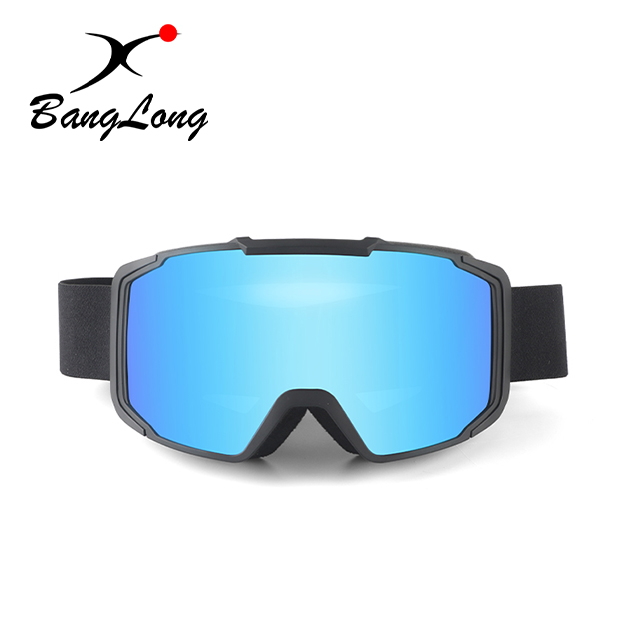
Purchasing reliable gear requires looking past aesthetic design and evaluating specific structural components. You must inspect the frame architecture, the foam density, and the strap mechanics. Each component directly influences the system's ability to process and evacuate moisture. A failure in one area compromises the entire unit. We evaluate these dimensions based on how they perform when saturated with melting snow.
The interface between your eyewear and your helmet dictates ventilation efficiency. The infamous "goggle gap" is not just a style issue; it is a major ventilation failure point. The top vents of your frame must align perfectly with the intake vents on the brim of your helmet. This alignment creates an active chimney effect. As you ski forward, air enters the helmet brim, pulls hot air up and out of the frame vents, and exhausts it out the back of the helmet.
If the frame shape does not match the helmet curve, this Venturi effect collapses. Trapped air stagnates, and fogging accelerates rapidly. When testing gear, always bring your specific helmet. Push the frame up against the brim and inspect the seal. There should be no gaps, but the helmet brim should not physically crush the top vents of the frame either. Proper integration is a mandatory requirement for wet weather skiing.
Strap tension plays a massive role in moisture management. Improper fitting destroys anti-fog performance. A strap that is too loose allows ambient moisture and wet snow to bypass the foam seal. This introduces external water directly into the internal microclimate. Conversely, a strap that is too tight compresses the face foam completely. Crushing the foam destroys its internal porous structure, eliminating its ability to wick sweat.
Over-tightening also distorts the flexible frame, potentially breaking the seal on the dual-pane lens gasket. Look for straps with heavy silicone backing. The silicone grips the smooth shell of the helmet, preventing the strap from slipping down. When a strap slips, the frame drops away from the helmet brim, destroying the chimney effect mentioned earlier. Set the tension so the foam rests firmly against your skin without pinching your nose.
Face foam serves two purposes: comfort and moisture transport. Basic single-layer foam absorbs sweat like a sponge and holds it against your skin. As your body heat rises, that trapped sweat vaporizes straight into the lens chamber. Premium frames utilize triple-layer face foam. The outer layer is a dense structural foam that provides shape. The middle layer is an open-cell reticulated foam designed for maximum airflow.
Reticulated foam has its cell walls blown out during manufacturing, creating a 3D skeletal structure that allows air to pass through while blocking solid snow particles. The inner layer, touching your face, is a moisture-wicking micro-fleece. This fleece pulls liquid sweat away from your skin and disperses it through the middle layer, allowing it to evaporate outward rather than inward. Inspect the micro-fleece regularly; once it pills or degrades, the frame loses its wicking power.
Visibility changes rapidly during winter storms. Quick-change lens systems allow you to adapt, but they introduce severe risks in wet conditions. Magnetic systems offer instant swaps, while mechanical levers require more manipulation. If you swap lenses while standing in active, wet snowfall, you risk trapping moisture between the inner lens and your face. Even worse, a stray snowflake might land on the inside of the lens during the transition.
Once you snap the lens back onto the frame, that trapped moisture will vaporize and cause immediate, unrecoverable fogging. Always perform lens swaps indoors or under strict cover when using premium Ski Goggles. If you must swap on the chairlift, shield the inner lens with your body and execute the change as rapidly as possible. Wet snow environments demand extreme caution when exposing the internal thermal chamber.
Engineering a frame involves inherent compromises. Maximizing one performance metric often degrades another. You must balance the need for aggressive moisture evacuation against cold weather protection and long-term durability. Understanding these trade-offs ensures you select the right tool for wet, demanding environments. We break down the specific compromises you will face on the mountain.
Lens/Frame Configuration | Wet Snow Performance | Wind Exposure Risk | Fog Resistance Level |
|---|---|---|---|
Single Lens + Standard Foam | Poor | Low | Minimal |
Double Lens + Standard Venting | Moderate | Low | High (until vents clog) |
Double Lens + Armored Venting | Excellent | Moderate | Maximum |
High Airflow + Triple Foam | Superior | High | Extreme |
Heavily ventilated frames excel in wet, sweaty conditions. They process massive amounts of moisture rapidly. However, this high airflow comes with a penalty. On high-speed groomers or during frigid chairlift rides, aggressive ventilation allows freezing wind to blast across your eyes. This causes excessive tearing, which introduces even more moisture into the frame.
You must decide if you prioritize fog prevention during high-exertion tree runs or wind protection during fast alpine descents. Skiers who run hot and spend their days hiking ridges should opt for maximum ventilation. Skiers who prefer lift-serviced groomers in sub-zero temperatures should look for frames with denser vent foam to block the wind. There is no single perfect configuration for every weather scenario.
High-end factory anti-fog treatments offer exceptional performance out of the box. They handle wet snow and heavy sweat with ease. Yet, the cost-to-lifespan ratio requires consideration. All chemical coatings eventually degrade. Sweat acidity, UV exposure, and physical abrasion break down the hydrophilic layer over time. A premium frame might offer flawless performance for two seasons before the coating fails.
You must accept the reality that chemical treatments are consumable features. Once they degrade, you will need to apply aftermarket sprays or purchase replacement lenses. To extend the lifespan of the factory coating, never touch the inner lens with your bare hands. The oils from your skin will permanently damage the hydrophilic properties. Treat the inner lens like a fragile camera optic.
Lens geometry impacts internal air volume. Spherical lenses curve on both the X and Y axes, creating a larger bubble of dead air inside the frame. This increased volume dilutes humid air, slightly reducing fogging rates. Cylindrical lenses curve only across the horizontal axis, sitting closer to the face. This smaller internal volume heats up faster but offers less room for moisture dilution.
Toric lenses attempt to blend the optical clarity of cylindrical shapes with the volume benefits of spherical designs. For extreme wet snow, maximizing internal air volume generally provides a slight advantage. The extra space gives the mechanical ventilation system more time to evacuate humid air before it reaches the dew point and condenses on the lens surface.
Technical features cannot overcome user error. The most advanced thermal barriers and hydrophilic coatings will fail instantly if subjected to improper handling. Managing moisture requires strict operational protocols. You must actively protect the internal microclimate from external contamination. We see skiers ruin their visibility daily through simple, avoidable mistakes.
Scenario | Immediate Cause | Field Solution |
|---|---|---|
Fogging in lift line | Lack of forward airflow | Pull face mask down, breathe downward |
Sudden fogging after crash | Snow packed in exhaust vents | Shake frame vigorously, tap plastic edges |
Fogging on top edge only | Helmet brim blocking top vents | Adjust helmet fit or push helmet back slightly |
Fogging after entering lodge | Severe temperature shock | Remove gear indoors and let it air dry completely |
Moving your eyewear to your forehead is the fastest way to ruin your visibility. Your forehead radiates immense heat and sweat. When you push the frame up, you place the cold inner lens directly over a steaming heat source. The inner thermal chamber saturates instantly. Furthermore, if you rest the frame on a wet helmet, the bottom foam acts like a wick, pulling melting snow directly into the interior.
Once you pull the frame back down over your eyes, the trapped moisture condenses immediately. If you need to remove your eyewear on the mountain, take them off completely and hold them by the strap, or leave them securely over your eyes. Never use your forehead or a wet helmet as a resting place.
Face protection is necessary in harsh weather, but improper use destroys ventilation. Tucking a face mask, neck gaiter, or balaclava under the bottom foam of the frame is a severe error. This configuration creates a direct funnel. Every time you exhale, warm, moist breath travels up the fabric and shoots straight into the bottom intake vents.
To wear face protection safely, ensure the fabric stops below the foam boundary. Utilize masks with dedicated exhaust holes around the mouth to direct your breath forward and away from your eyewear. Some modern balaclavas feature structured wire over the nose to pinch the fabric tight, preventing breath from traveling upward. Use these tools to keep your exhalations out of the lens chamber.
Temperature shock accelerates condensation. Walking out of a 70°F (21°C) lodge into 32°F (0°C) wet snow creates massive thermal instability. The proper protocol is to put your gear on while still indoors. Let the frame establish a stable microclimate against your face. However, do not stand around sweating in the lodge for ten minutes. Put them on right before you step outside, and leave them on.
Removing them on the chairlift introduces cold, wet air into the warm interior. When you put them back on, the sudden temperature clash guarantees fog. Establish the microclimate early and protect it fiercely. The less you expose the inner chamber to rapid temperature swings, the better your visibility will remain throughout the day.
Crashing in wet snow packs the frame with slush. Your immediate instinct will be to wipe the snow away with your glove. Never wipe the inner lens. The hydrophilic coating becomes soft and vulnerable when saturated. Wiping it will permanently smear or strip the chemical treatment. Instead, follow this exact sequence to clear your vision:
Remove the frame from your face and hold it securely by the plastic edges.
Shake the frame vigorously to dislodge heavy, wet snow from the exterior lens and ventilation ports.
Tap the rigid plastic sides against your gloved hand to knock out packed slush from the armored vents.
Place the frame back on your face immediately to re-establish the thermal microclimate.
Begin skiing to force cold, dry air through the ventilation system, allowing the hydrophilic coating time to process the remaining moisture naturally.
Overnight storage dictates next-day performance. Leaving wet gear in a cold car or zipped inside a damp gear bag guarantees failure. The foam will remain saturated, and the thermal barrier will hold trapped moisture. The correct overnight drying method requires removing the gear from its bag and placing it in a dry room at normal room temperature.
Never place them directly on a radiator or use a hair dryer. Direct, intense heat warps the polycarbonate and melts the thermal gasket separating the dual lenses. If you use a quick-change system, pop the lens out of the frame to allow both components to dry faster. Let them air dry slowly and completely. Starting your day with bone-dry foam is the best defense against wet snow fogging.
Anti-fog technology can indeed keep your vision clear during wet snowfall, but only when robust engineering pairs with disciplined moisture-management habits. No single feature solves the problem entirely. Success requires a holistic approach to thermal regulation and airflow. When shortlisting new gear, prioritize structural fundamentals over marketing claims. Look for true dual-pane construction, armored top venting that resists snow packing, and triple-layer face foam for aggressive sweat wicking. Ensure the frame integrates flawlessly with your specific helmet to maintain the Venturi exhaust effect.
To optimize your current setup and prepare for heavy precipitation, take the following actions:
Evaluate your helmet compatibility to ensure the top vents remain completely unobstructed.
Inspect the condition of your face foam; replace the frame if the micro-fleece is deteriorating and failing to wick sweat.
Adjust your balaclava so it sits below the bottom edge of the frame to prevent breath funneling.
Commit to proper overnight drying protocols to ensure your gear starts every morning at zero percent humidity.
A: Snowing conditions combine high physical exertion with high ambient humidity. Wet snow sticks to the exterior of the frame, physically blocking the exhaust vents. Without airflow, the heat and sweat radiating from your face have nowhere to escape, causing rapid condensation on the cold lens surface.
A: Never tuck your face mask under the bottom foam of the frame. This funnels your warm exhalations directly into the lens chamber. Use masks with dedicated breathing holes over the mouth and nose to direct moisture forward and away from the bottom intake vents.
A: No. You should never wipe the inner lens when it is wet. The factory hydrophilic anti-fog coating becomes soft when saturated with moisture. Wiping it will permanently scratch, smear, or strip the coating. Instead, shake out the snow and let forward momentum air-dry the lens.
A: Yes. Single lenses are structurally incapable of preventing fog in freezing, wet conditions. They lack a thermal barrier, meaning the freezing outside temperatures transfer directly to the inside. A dual-pane setup creates a dead-air space that insulates the inner lens, keeping it closer to your body temperature.
A: Stop and physically knock out any excess snow blocking the top and bottom vents. Do not rub the lenses. Put the frame back on your face and begin skiing. The forward momentum will force cold, dry air through the ventilation system, allowing the coating time to process the moisture.
A: Aftermarket sprays provide a temporary fix for degraded factory coatings. They help reduce surface tension so water droplets flatten out. However, no spray can compensate for failing face foam, broken thermal gaskets, or poor helmet ventilation. They require frequent reapplication to remain effective.
A: No. Removing them on the chairlift destroys the stable microclimate you established while skiing. It introduces freezing, wet air into the warm interior chamber. When you put them back on your hot face, the sudden temperature clash accelerates condensation immediately. Leave them on your face.


