

T: +86-20-86973099
E: sales@xqglasses.com
E: sales@xqglasses.com
NO.3, Yongfu Road, Sandong Avenue West, Huadu District, Guangzhou City, Guangdong Province, China
Views: 0 Author: Site Editor Publish Time: 2026-09-23 Origin: Site


Many riders face a difficult gear dilemma. You want the superior ventilation and heavy dust protection of goggles. However, you also want the structural safety of a full-face helmet. Finding the perfect combination is rarely straightforward. Standard full-face helmets feature narrow eye ports. They are designed strictly for paved street riding. Meanwhile, hybrid adventure or mountain bike helmets vary significantly in shape. This makes goggle compatibility a strict case-by-case evaluation. It is never a universal guarantee.
This guide provides a definitive framework for evaluating helmet-to-goggle compatibility. We outline specific structural limitations and crucial safety trade-offs. You will also learn how to execute physical fitment testing properly. Following these guidelines ensures you stay safe and comfortable before hitting the trails.
Helmet Type Dictates Success: Adventure (ADV) and Mountain Bike (MTB) full-face helmets generally accommodate goggles; standard street full-face helmets rarely do.
The Eye Port Constraint: Modern dirt bike goggles with wide outriggers or oversized frames often conflict with the EPS liner and shell of non-MX helmets.
Seal Over Style: A secure fit requires the goggle's face foam to compress evenly against the rider's face, not the helmet's chin bar or brow.
Trade-Offs: Removing a face shield for goggles increases airflow and dust defense but introduces significant wind noise and aerodynamic drag at highway speeds.
Choosing the correct helmet category is your first crucial step. Different helmet designs serve entirely different purposes. Manufacturers build specific eye ports based on expected riding conditions.
Verdict: Generally incompatible.
Reasoning: Manufacturers optimize street helmets for high-speed aerodynamics. They feature narrow, horizontally biased eye ports. These tight openings minimize wind noise and improve shell integrity. If you attempt to force goggles into this space, the frames will pinch. This pinching prevents the foam from forming a secure seal against your face. Furthermore, thick goggle frames can push the helmet out of alignment. This misalignment severely compromises crash safety. We strongly advise against using goggles in pure street helmets.
Verdict: Highly compatible.
Reasoning: ADV helmets bridge the gap between street and dirt. They feature elongated chin bars similar to motocross helmets. They also utilize wide, tall eye ports. Designers create these ports specifically to accommodate off-road motocross goggles. To use them properly, you typically remove or raise the attached face shield. ADV helmets offer exceptional versatility for riders transitioning between highway transit and off-road trails.
Best Practice: Always remove the face shield completely if you plan to wear goggles all day. This prevents dust accumulation on the inner shield surface.
Common Mistake: Leaving the shield flipped up while riding off-road. Branches can easily catch an open shield and snap it off.
Verdict: Universally compatible.
Reasoning: Full-face mountain bike helmets share identical DNA with motocross helmets. They lack face shields entirely. Brands build them explicitly for goggle use. The massive eye ports easily accept modern, oversized frames. However, MTB riders must carefully verify strap length. MTB helmets often feature bulky rear exhaust vents. These vents demand longer, highly adjustable goggle straps to maintain proper tension.
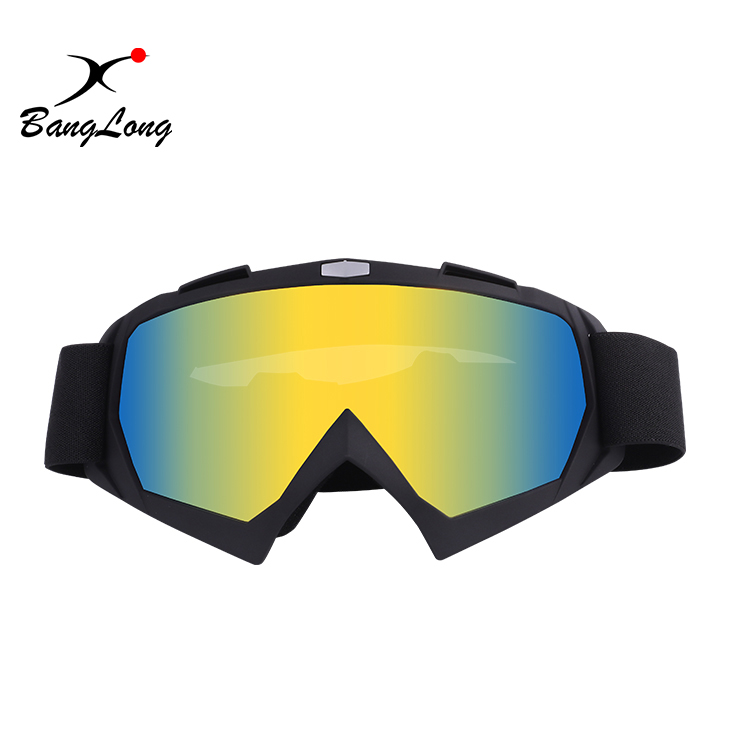
Even within compatible helmet categories, physical dimensions vary. You must evaluate three crucial fitment zones. Ignoring these dimensions leads to discomfort and impaired vision.
You must check how the strap connects to the frame. Some goggles use frame-integrated straps. Others utilize extended plastic outriggers. Outriggers push the mounting point away from the lens. This design provides a superior strap angle. It pulls the frame evenly against your face. However, outriggers require a significantly wider helmet opening. If your helmet eye port is narrow, outriggers will jam against the EPS liner. This jamming pushes the goggles away from your skin.
The nose bridge area causes frequent compatibility issues. The bottom rim of the goggle must never rest on the helmet’s breath guard. It should not touch the rigid chin bar either. If the helmet pushes the goggle upward, it compromises your vision. It also pinches your nostrils shut. Your gear must allow the frame to sit flush on your cheeks. The frame should float independently inside the helmet opening.
Examine the back of your helmet carefully. You want to see a dedicated strap groove or a contoured rear shell. Without this groove, straps slide up or down the smooth shell. Slippage occurs easily upon impact or during high-speed riding. Silicone-backed straps are a non-negotiable requirement here. The tacky silicone beads grip the helmet surface tightly. They prevent unwanted movement during intense physical exertion.
Helmet and Goggle Fitment Matrix
Fitment Variable | What to Look For | Common Failure Point |
|---|---|---|
Outrigger Design | Wide helmet eye ports; flexible frame edges. | Outriggers snagging on the helmet's thick EPS liner. |
Nose Clearance | Visible gap between the goggle rim and chin bar. | Helmet pushes the frame up, restricting rider breathing. |
Strap Retention | Rear shell grooves; heavy silicone backing on straps. | Strap slides up the helmet dome at highway speeds. |
Swapping a face shield for goggles drastically changes your riding experience. You gain distinct advantages in rough terrain. Conversely, you sacrifice comfort on open highways. Understanding these trade-offs helps you choose the right setup.
Shields are highly prone to fogging. This happens during low-speed, high-exertion technical riding. Your breath gets trapped inside the helmet. Goggles offer vastly superior airflow. The open design allows fresh air to circulate constantly. Investing in anti-fog motocross goggles provides the ultimate solution. Models featuring dual-pane lenses excel in cold, damp, or sweaty conditions. They create a thermal barrier to stop condensation instantly.
Traditional face shields struggle in dusty environments. Dust creates a swirling updraft under the chin bar. This updraft blows fine silt directly into your eyes. Goggles solve this problem completely. Their multi-layer face foam creates a localized, sealed microclimate for your eyes. The foam filters out fine dust while allowing moisture to escape. This seal remains vital for off-road riders following close behind other motorcycles.
You face significant drawbacks at highway speeds. Goggles paired with full-face helmets catch incoming air. The bulky straps and thick frames disrupt smooth airflow. This disruption causes helmet buffeting. It also increases wind noise dramatically. You will experience increased neck fatigue compared to using a flush-fitting face shield. We recommend switching back to a face shield for long highway transit sections.
Never assume your gear fits without testing it. You must verify compatibility physically. Follow this standardized four-step testing procedure.
Step 1: The "Face First" Seal Test. Put the helmet on securely. Next, insert the goggles into the eye port. The foam must compress evenly against your cheeks, brow, and nose. The helmet shell should never bear the physical pressure of the frame. If you feel gaps in the foam, the fit fails.
Step 2: The Pinch Check. Ensure the frame isn't squeezing your nasal passage. Breathe heavily through your nose. Restricted breathing under exertion is a primary failure point. Mismatched gear often pinches the nose shut. You need maximum oxygen intake during technical trail sections.
Step 3: Peripheral Vision Audit. Check for dangerous "tunnel vision." Thick goggle frames combined with a thick helmet EPS liner reduce side-to-side visibility. Look left and right without moving your head. If large blind spots appear, try a frame with a lower profile.
Step 4: The Strap Tension Test. Pull the strap over the back of the helmet. Evaluate the tension carefully. If it feels severely over-stretched, you have a problem. Over-stretching distorts the flexible goggle frame. It pulls the lens away from the foam. An extender or a different model is required.
Riders requiring prescription glasses face unique challenges. Fitting glasses inside goggles inside a helmet requires careful planning.
You face a difficult triple-threat constraint. You must balance helmet eye port size, goggle frame depth, and prescription frame width. Changing one variable affects the other two. Standard goggles lack the internal volume needed for glasses. The helmet liner further compresses the available space. This compression often causes severe discomfort behind the ears.
If testing an OTG setup, examine the helmet interior first. The helmet must have deep, dedicated temple cutouts. Next, evaluate the goggles. If the goggle fits the helmet but crushes the glasses into your temples, the setup is void. Crushed glasses cause headaches. They also present a serious laceration hazard during a crash. The glasses frame must sit naturally on your face.
Prescription inserts offer a far superior experience. These inserts mount directly into the goggle frame securely. They eliminate the need for traditional temple arms entirely. This approach yields a much more secure fit inside a full-face helmet. It removes the pressure points behind your ears. It also significantly reduces fogging issues associated with wearing everyday glasses.
Matching Dirt Bike Goggles with a full-face helmet is entirely possible. However, it requires strict adherence to physical fitment rules over aesthetic preferences. You cannot force incompatible gear to work together safely. A compromised fit leads to impaired vision, distracted riding, and reduced protection.
Riders should identify their helmet category first. If riding an ADV or MTB helmet, proceed to test goggles with flexible frames and silicone straps. Always perform the four-step physical fitment test. Ensure the foam seals against your skin, not the helmet shell. If riding a standard street helmet, opt for a pinlock-ready face shield instead. A high-quality shield ensures safety, optimal aerodynamics, and lasting comfort on paved roads.
A: It is physically possible in rare cases, but highly unadvised. Street helmets feature narrow eye ports. Goggles will break their face seal, block peripheral vision, and cause severe discomfort. Furthermore, street helmets lack strap retention grooves, allowing straps to slip dangerously at high speeds.
A: Some premium ADV helmets allow goggles to be worn while the shield remains in the fully "up" position. However, removing the shield entirely is highly recommended. Removal prevents trail branches from damaging the plastic and reduces overall helmet weight.
A: Yes. Fine trail dust trapped under the goggle strap acts like sandpaper against the shell. To protect your finish, apply a thin strip of clear vinyl protective tape directly where the strap sits on the back of the helmet.


