

T: +86-20-86973099
E: sales@xqglasses.com
E: sales@xqglasses.com
NO.3, Yongfu Road, Sandong Avenue West, Huadu District, Guangzhou City, Guangdong Province, China
Views: 0 Author: Site Editor Publish Time: 2026-05-25 Origin: Site


Are all goggles the same for motocross and snow sports? Not at all. Using the wrong goggles risks safety and vision.
Dirt bike goggles and snow goggles serve different environments and needs. Choosing the right pair is essential for protection and performance.
In this post, you’ll learn the key differences, shared features, and how to pick goggles that fit your sport perfectly.
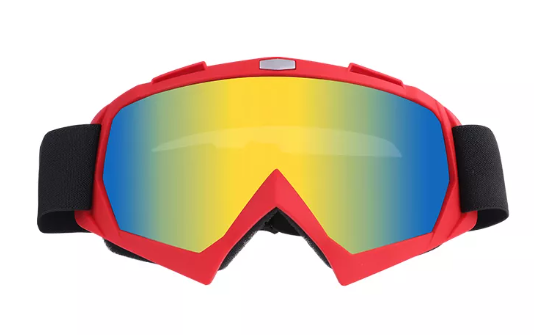
When comparing dirt bike goggles and snow goggles, several fundamental differences emerge, shaped by the unique demands of motocross and snow sports. Understanding these distinctions helps riders select the right gear for safety and performance.
Feature | Dirt Bike Goggles | Snow Goggles |
|---|---|---|
Lens System | Single lens | Dual lens with thermal barrier |
Fog Prevention | Anti-fog coating and dust-filtered ventilation | Dual lens technology and advanced ventilation |
UV Protection | Available on some models | 100% UVA and UVB protection standard |
Ventilation Design | Designed to block dust and debris | Designed to manage moisture and cold air |
Peripheral Vision | Forward-focused vision | Wide panoramic field of view |
Lens Shape | Generally flatter lenses | Spherical or cylindrical lenses |
Lens Tint Purpose | Enhances trail visibility and contrast | Reduces snow glare and improves terrain visibility |
Cleaning System | Tear-off and roll-off systems available | Typically not available |
Helmet Compatibility | Motocross helmets | Ski and snowboard helmets |
Primary Protection | Dust, rocks, mud, debris | Snow, wind, cold, UV rays |
Best Environment | Motocross, dirt biking, off-road riding | Skiing, snowboarding, snow sports |
Dirt bike goggles typically use a single lens system. This design suits warmer, dusty environments where fogging is less severe. In contrast, snow goggles feature a dual lens setup. The double lens creates a thermal barrier filled with air, preventing fog buildup caused by the cold external air meeting the warm air inside the goggles. This is crucial for snow sports where fog can quickly impair vision.
Snow goggles rely heavily on their dual lens plus advanced ventilation to combat fog in cold, moist conditions. Dirt bike goggles use anti-fog coatings and fine ventilation but focus more on preventing dust from entering. Their ventilation slots are smaller and often lined with foam filters to keep out dirt while allowing sweat and heat to escape.
Snow goggles almost always come with full UVA and UVB protection. This guards against intense UV rays reflected by snow and the higher altitude sun exposure. Dirt bike goggles may include UV protection, but it's not universally standard since the environment typically has less UV reflection. However, riders in bright, sunny conditions benefit from UV-protected lenses.
Ventilation in dirt bike goggles is designed to block fine dust and debris. Foam-lined vents filter out particles while maintaining airflow to reduce sweat buildup. Snow goggles feature more robust ventilation systems aimed at regulating temperature and moisture, preventing condensation inside the goggles in freezing weather.
Snow goggles often have larger, spherical or cylindrical lenses that curve horizontally and vertically, offering a wide field of view. This panoramic vision is vital for skiers and snowboarders to spot obstacles on open slopes. Dirt bike goggles tend to have smaller, flatter lenses focusing on forward vision, sufficient for high-speed trail navigation where peripheral distractions are minimized. However, newer motocross goggles increasingly provide wider peripheral views.
Lens tints differ significantly. Snow goggles use various tints—yellow, rose, gray—to enhance contrast against snow glare and changing weather. Dirt bike goggles often feature clear or tinted lenses with high contrast to improve visibility on dusty or shaded trails. Some motocross lenses also come with tear-off or roll-off systems to maintain clear vision during muddy rides.
Dirt bike goggles have elastic straps with silicone grips to secure the goggles tightly around motocross helmets. They often include outriggers that position the strap at an angle for better stability. Snow goggles feature adjustable straps designed to fit over bulkier snow helmets comfortably, sometimes with wider attachment points to accommodate different helmet shapes.
Dirt bike goggles are designed with a focus on protection and comfort in rugged, dusty environments. Their fit and design features are tailored to keep debris out while ensuring stability during high-speed rides.
A snug fit is crucial for motocross goggles. They seal closely around your eyes to prevent dirt, dust, and small rocks from sneaking in. The frame usually rests firmly against your face, with foam padding creating a comfortable barrier. This tight fit helps keep the goggles stable and your vision clear even on the bumpiest trails.
The straps on dirt bike goggles are typically made from elastic materials that stretch to fit snugly around your helmet. Many feature silicone beads or ribs on the inside of the strap. These grips prevent the goggles from sliding around during aggressive riding. The strap often attaches to the frame via outriggers, angled extensions that improve helmet compatibility and keep the goggles secure.
Multiple layers of foam padding line the frame’s interior. This foam cushions your face and absorbs sweat, which helps reduce fogging inside the lens. High-quality motocross goggles use moisture-wicking foam that stays comfortable throughout long rides. The foam also adapts to your facial contours, ensuring a custom-like fit.
Dirt bike goggles are designed to fit perfectly with motocross helmets. The goggles sit between the helmet’s visor and chin guard, creating a sealed system that protects your eyes without interfering with helmet fit. The frame size and strap length are optimized to work with the helmet’s shape and size, preventing gaps that could let debris in.
For riders who wear prescription glasses, OTG motocross goggles are a game-changer. These goggles have extra internal space to fit over regular eyeglasses comfortably without pressure points. OTG dirt bike goggles allow riders to maintain clear vision without switching to contacts, combining eye protection with prescription needs.
Snow goggles are crafted specifically for cold, snowy environments, where comfort, protection, and clear vision are vital. Their design and fit differ significantly from dirt bike goggles to meet these unique demands.
Snow goggles feature larger frames than motocross goggles. This size allows them to comfortably fit over bulkier snow helmets. The expanded frame provides ample space for thick foam padding and ensures a secure seal against cold air and snow. Unlike dirt bike goggles, which fit snugly between helmet visor and chin guard, snow goggles wrap around the helmet’s front, accommodating various helmet shapes and sizes.
The straps on snow goggles are designed to be adjustable and robust. They often include wider bands and durable buckles that maintain a firm grip around snow helmets. This adjustability ensures the goggles stay in place during fast descents and sudden movements. In contrast to the silicone-lined straps of dirt bike goggles that cling tightly to motocross helmets, snow goggle straps prioritize flexibility and comfort over insulation layers.
Snow goggles incorporate thicker, multi-layered foam padding around the frame. This foam acts as insulation, preventing cold air and moisture from seeping in. It also cushions the face, enhancing comfort during long hours on the slopes. The foam typically includes moisture-wicking properties to manage sweat and reduce fog inside the goggles. Dirt bike goggles use thinner, more breathable foam designed to wick sweat in warmer, dustier conditions rather than provide insulation.
Snow goggles commonly use spherical or cylindrical lenses that curve horizontally and vertically. This curvature expands peripheral vision, crucial for skiers and snowboarders navigating wide-open slopes and spotting obstacles early. The lens shape also reduces distortion and enhances depth perception in snowy terrain. By comparison, dirt bike goggles usually have flatter lenses focused on forward vision, though newer models offer wider peripheral views.
Ventilation in snow goggles is engineered to manage moisture and temperature effectively. Vents are strategically placed to allow airflow without letting in cold air or snow. Combined with the dual lens system, this ventilation prevents fogging in freezing conditions. The foam padding often contains moisture-wicking channels to direct sweat away from the lens. Dirt bike goggles have finer, dust-filtering ventilation designed to keep out dirt and debris while allowing sweat and heat to escape.
Dirt bike goggles are built to handle the unique challenges of motocross environments, where dust, mud, and changing light conditions are constant. Their lens features and performance are tailored to keep your vision clear and your eyes protected throughout intense rides.
Dirt bike goggles come with a variety of lens tints to suit different riding scenarios. Clear lenses are popular for low-light or shaded trails, offering maximum light transmission. Tinted lenses, like amber, gray, or blue, reduce glare and enhance contrast on bright, sunny days. Some motocross goggles even feature interchangeable lenses, allowing riders to switch tints based on weather or time of day.
One standout motocross goggles feature is high contrast lens technology. These lenses enhance the visibility of obstacles like rocks, roots, and ruts by increasing contrast and depth perception. This is crucial when riding on dusty or shaded trails where details can be hard to spot. Such lenses help you react faster and ride safer.
Motocross goggles often include tear-off or roll-off systems to maintain clear vision during muddy or wet races. Tear-offs are thin plastic films layered on the lens; when the outer layer gets dirty, you simply pull it off to reveal a clean surface. Roll-offs use a roll of clear film that you pull across the lens, clearing mud or debris without stopping. These systems are essential motocross goggles features that keep your vision uninterrupted.
Fogging can be a serious issue during motocross, especially when sweating in warm conditions. Dirt bike goggles use specialized anti-fog coatings on the inside of the lens to combat moisture buildup. Unlike snow goggles, which rely on dual lenses and thermal barriers, motocross goggles focus on coatings combined with fine ventilation to keep fog at bay while preventing dust infiltration.
Motocross lenses are made from tough polycarbonate or similar materials designed to withstand impacts from rocks, sticks, and other debris. This durability is vital since dirt bike goggles protect your eyes from high-speed flying objects. The lens coatings are also scratch-resistant to maintain clarity over time. Durability is a top priority in motocross goggles to ensure long-lasting performance on rugged trails.
Snow goggles are engineered specifically for cold, snowy environments, where fogging, glare, and peripheral vision play critical roles in safety and performance. Their lens features and performance differ significantly from dirt bike goggles, reflecting the unique demands of snow sports.
One of the defining features of snow goggles is the dual lens system. This consists of two separate lenses with an air gap between them, forming a thermal barrier. This design prevents the warm, moist air inside the goggles from meeting the cold outer lens, which would otherwise cause fogging. The dual lens system is essential for maintaining clear vision in freezing, humid conditions common in skiing and snowboarding.
Snow goggles come with a range of lens tints tailored to different snow and weather conditions. Popular tints include:
Yellow or gold: Enhance contrast in low-light or overcast conditions.
Rose or pink: Improve depth perception and reduce eye strain in flat light.
Gray or smoke: Reduce overall brightness and glare on sunny days.
These tints help skiers and snowboarders discern terrain changes, such as bumps and icy patches, improving safety and control.
Snow goggles typically feature anti-scratch coatings to maintain lens clarity despite frequent use in harsh environments. Additionally, they provide 100% UVA and UVB protection, shielding eyes from intense ultraviolet rays reflected off snow and ice at high altitudes. This level of UV protection is more comprehensive than what many dirt bike goggles offer, reflecting the increased exposure in snowy terrains.
The lenses in snow goggles are often spherical or cylindrical, curving horizontally and vertically to provide a broad field of view. This wide peripheral vision is crucial for spotting obstacles, other riders, and changes in terrain on open slopes. The lens shape minimizes distortion, allowing for better depth perception and situational awareness.
Snow goggles incorporate advanced ventilation systems designed to balance airflow and moisture control. Vents are strategically placed to allow warm, moist air to escape without letting cold air or snow enter. Foam padding inside often includes moisture-wicking properties to channel sweat away from the lens, reducing fog buildup. This ventilation is more robust than that in motocross goggles, optimized for cold air rather than dust.
Protection and durability are crucial aspects when comparing dirt bike goggles and snow goggles. Each type is engineered to withstand the specific hazards of its environment, ensuring rider safety and long-lasting performance.
Dirt bike goggles are built tough to shield your eyes from flying debris like rocks, dust, and sticks. The lenses are usually made from impact-resistant polycarbonate, which can absorb high-velocity hits without shattering. The frames are reinforced and flexible, designed to endure bumps and crashes common in off-road riding. This rugged construction helps protect your eyes from sudden impacts, a frequent risk in motocross.
Snow goggles focus on shielding your eyes from wind, snow, and intense UV rays. The dual lens system creates a thermal barrier that prevents fogging in cold, moist conditions. Additionally, snow goggles provide 100% UVA and UVB protection, essential at higher altitudes where sunlight is stronger and snow reflects UV rays intensely. The frame and foam work together to seal out cold air and snow, keeping your eyes warm and dry.
Materials differ to suit the environment. Dirt bike goggles prioritize durability and impact resistance, using tough plastics and sturdy frames to survive rough terrain. Snow goggles use materials optimized for insulation and moisture management, with thicker foam padding and flexible frames that maintain comfort and seal against cold air. While both use polycarbonate lenses, snow goggles often have anti-scratch and UV coatings tailored for snowy conditions.
Foam in dirt bike goggles is thinner and designed to wick away sweat and dust, offering comfort during intense rides without overheating. Frames are built to resist cracking from impacts. Snow goggles feature thicker, multi-layer foam for insulation against cold and moisture. Their frames are flexible to maintain a tight seal but also withstand the cold without becoming brittle.
Dirt bike goggles require regular cleaning to remove dust and mud, with tear-off or roll-off lens systems aiding quick vision restoration. Their durability depends on resisting scratches and impacts. Snow goggles need careful maintenance to preserve anti-fog coatings and UV protection, especially after exposure to snow and moisture. Both types have a lifespan influenced by use intensity, but dirt bike goggles might face more frequent physical impacts, while snow goggles endure harsher weather elements.
Using ski goggles for motocross or dirt bike goggles for snow sports might seem convenient, but they are not interchangeable. Each type is engineered for specific environments, and mixing them can lead to fit, visibility, and safety issues.
Ski goggles feature a larger frame and dual lens system designed to prevent fogging in cold, snowy conditions. This dual lens creates a thermal barrier that works well in freezing temperatures but is less effective in warm, dusty motocross environments. The thicker foam and ventilation optimized for cold air can trap heat and sweat during motocross, causing discomfort and fogging.
Moreover, ski goggles often have wider straps and are built to fit over snow helmets, making them incompatible with motocross helmets. The fit is usually loose or unstable, risking debris infiltration and impaired vision. Their lens tints, optimized for snow glare, may also reduce visibility on motocross tracks with varying light and terrain conditions.
Dirt bike goggles typically have a single lens with fine ventilation to keep dust out. They lack the dual lens system crucial for preventing fog in cold, moist environments. Wearing dirt bike goggles in snow sports leads to rapid fogging due to sweat and moisture buildup inside the lens.
Their frames and foam are thinner, designed for breathability rather than insulation, so they don’t protect well against cold wind or snow. Also, dirt bike goggles usually have tear-off or roll-off systems for mud, which are unnecessary and cumbersome in snow sports.
Both types of goggles are designed to fit specific helmets. Ski goggles accommodate bulkier snow helmets with adjustable straps and wider frames. Motocross goggles fit snugly between the visor and chin guard of dirt bike helmets, with elastic straps and silicone grips for stability.
Trying to pair ski goggles with motocross helmets or vice versa often results in poor sealing, discomfort, and compromised protection. The strap attachment points, frame size, and shape differ, making cross-use impractical.
Fogging is a major problem when using goggles outside their intended environment. Ski goggles’ anti-fog dual lens system fails under warm, sweaty conditions, while dirt bike goggles fog quickly in cold, humid snow settings.
Lens tints also play a role. Ski goggles have tints to combat snow glare, which can be too dark or distorted for motocross trails. Conversely, dirt bike goggles’ clear or lightly tinted lenses don’t filter snow glare effectively, causing eye strain and reduced visibility.
Using the wrong goggles compromises eye protection. Ski goggles may not withstand impacts from dirt, rocks, or sticks common in motocross. Dirt bike goggles offer insufficient insulation and fog prevention in snow sports, risking impaired vision and cold-related discomfort.
Poor fit increases the chance of debris or snow entering the eyes. Fogging reduces reaction time and situational awareness, raising accident risks. Both scenarios undermine safety and performance.
Many riders report discomfort and vision issues when using ski goggles for motocross or dirt bike goggles for snow sports. Experts strongly advise against mixing goggles due to the distinct design and functional differences.
Motocross riders benefit from dirt bike goggles with tear-offs, dust-filtering ventilation, and impact-resistant lenses. Snow sports enthusiasts require dual lens goggles with UV protection, wide peripheral vision, and insulation.
Choosing the perfect dirt bike goggles can make a huge difference in your riding experience. Since motocross goggles are designed specifically for dusty, fast-paced environments, it’s important to consider several factors to ensure you get the best fit, protection, and performance.
First, think about where and when you ride. Are you mostly on dusty trails, muddy tracks, or in varying light conditions? For dusty and sunny environments, goggles with tinted lenses and strong UV protection help reduce glare and improve visibility. If you ride in cooler or fog-prone weather, anti-fog coatings and ventilation become key. Some dirt bike goggles even offer dual lens options to fight fog better, especially in off-road or enduro riding.
Lens tint affects how well you see obstacles and terrain. Clear lenses work well in low light or shaded areas, while amber or yellow tints enhance contrast on dusty or cloudy days. Blue or gray lenses reduce glare on bright, sunny trails. Anti-fog coatings are essential to prevent moisture buildup from sweat, especially during intense rides. Tear-off or roll-off systems are also popular motocross goggles features that help keep your vision clear when mud or dirt splatters your lens.
A good fit keeps goggles stable and blocks debris. Look for goggles with multi-layer foam padding that molds to your face and wicks sweat away. Adjustable elastic straps with silicone grips ensure the goggles stay put on your helmet without slipping. Make sure to try goggles with your motocross helmet to confirm compatibility. For riders who wear prescription glasses, OTG (Over The Glasses) dirt bike goggles offer extra room inside the frame to fit glasses comfortably.
Motocross goggles need to withstand impacts from rocks, sticks, and dirt flying at high speeds. Choose models with durable polycarbonate lenses that resist scratching and shattering. Frames should be flexible but tough to endure crashes and rough handling. Durability ensures your goggles last through many rides while maintaining clear vision and protection.
Dirt bike goggles come in a range of prices. Higher-end models offer advanced lens technologies, better foam, and extra features like tear-offs or interchangeable lenses. If you’re on a budget, prioritize impact resistance, a comfortable fit, and anti-fog coatings. You can always upgrade features later as you gain experience and understand your needs better.
Tear-off and roll-off systems are invaluable for maintaining clear vision during muddy or wet rides. They allow you to remove dirty lens layers quickly without stopping. OTG goggles are a must-have for riders needing prescription lenses, combining eye protection and vision correction seamlessly.
Selecting the right goggles for motocross or snow activities is essential for safety and performance. Dirt bike goggles focus on dust protection, impact resistance, and ventilation suited for warm environments. Snow goggles offer dual lenses, insulation, and UV protection to prevent fogging and glare in cold conditions. Specialized goggles enhance vision and comfort, reducing risks during rides or runs. Investing in quality, activity-specific goggles ensures optimal fit and durability. Bang long provides expertly designed goggles that deliver reliable protection and clear vision tailored to your sport’s needs.
A: Dirt bike goggles typically have a single lens with fine ventilation and foam padding designed to block dust and debris, while snow goggles feature a dual lens system with advanced ventilation to prevent fogging in cold, moist conditions. Snow goggles also provide full UVA and UVB protection and have larger, curved lenses for wide peripheral vision.
A: Motocross goggles generally use single lenses with anti-fog coatings and tear-off systems for mud, focusing on impact resistance and dust filtering. Snow goggles use dual lenses to create a thermal barrier against fog, with tints optimized for snow glare and UV protection.
A: It’s not recommended. Dirt bike goggles lack the dual lens fog prevention and insulation needed for snow sports, while ski goggles don’t fit motocross helmets properly and can cause fogging and discomfort in warm, dusty environments.
A: Look for impact-resistant polycarbonate lenses, multi-layer foam padding for comfort and sweat management, silicone-lined adjustable straps for helmet stability, and anti-fog coatings. OTG (Over The Glasses) designs are important if you wear prescription glasses.
A: Motocross goggles have smaller, foam-lined vents to block dust while allowing sweat to escape, whereas snow goggles feature larger, strategically placed vents to manage moisture and temperature, preventing fog in cold, humid conditions.


